

REVIEW · WALKING TOURS
Valencia: Must-See Attractions Walking Tour
Valencia feels like it has chapters you can walk through. This 2-hour route in Ciutat Vella connects the city gates, major churches, and government squares in a way that helps you see how Valencia evolved over time. You start at Torres de Serranos and move through the oldest quarters with clear, on-foot commentary that ties architecture to everyday city life.
Two things I really like: first, you get a small-group walk led by a live, English-speaking guide (plus Spanish, French, and Italian). Second, you hit the big-name sights without turning it into a checklist, because the tour gives context as you go, including how Valencia’s story runs from Moorish roots toward Renaissance splendor.
One possible drawback to plan for: the tour is tightly paced, with frequent short stops for photos and quick guided visits, and it does not include food or drinks. If you need long breaks, you will want to bring water and build in a little extra time around the 2-hour window.
Key highlights at a glance
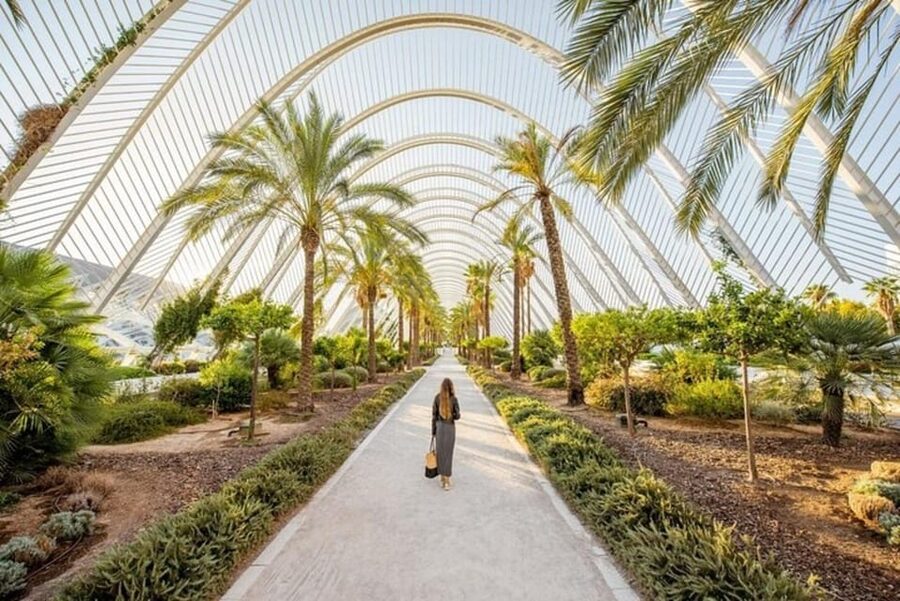
- Torres de Serranos starts the story, putting you right next to one of Valencia’s historic gates
- Central Market stop gives you a good feel for the city’s day-to-day pulse, not just monuments
- A run through civic and religious landmarks keeps the perspective balanced
- Frequent photo stops and short segments make it easy to move with the group
- Live multilingual guide (English, Spanish, French, Italian) helps you follow the big ideas
- Some guides go deep on visuals, including wall art explanations mentioned in feedback
Starting at Carrer del Mur de Santa Anna, then into Ciutat Vella
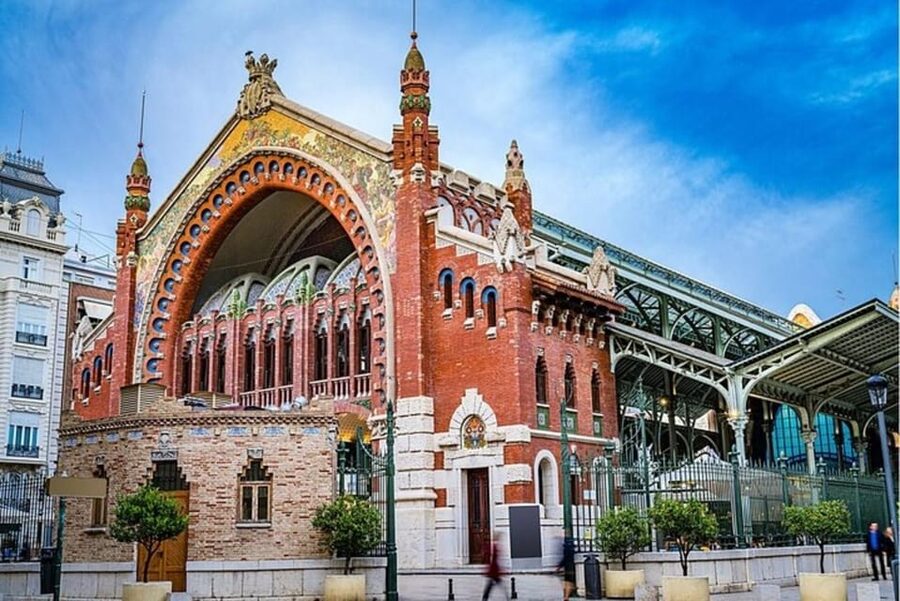
I like tours that help you orient fast, and this one does. You meet on Carrer del Mur de Santa Anna in Ciutat Vella, which is the right neighborhood for understanding why so many of Valencia’s landmarks cluster close together. The walking route is designed so you are not just taking photos, you are learning how the streets and buildings relate.
The tour is also built for real conversations. In feedback, guides like Craig were praised for being easygoing and for tailoring the tour to the group, plus for being simple to communicate with beforehand. That matters because Valencia can be confusing at first, especially if you are bouncing between markets, plazas, and churches on your own.
Do note the format. With lots of short visits and photo breaks, you will want to wear comfortable shoes and keep your camera ready. This is not the kind of tour where you stop for long, slow contemplation at every door and plaque.
Central Market of Valencia: a practical first stop
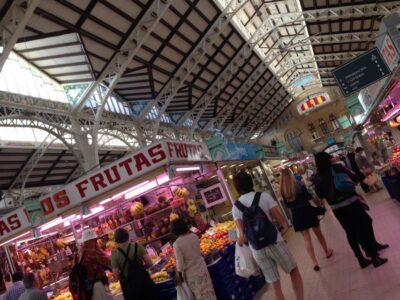
Your first major landmark stop is the Central Market of Valencia. The value here is timing. Hitting the market early helps you calibrate your sense of scale, street feel, and local rhythm before you jump into the more monumental buildings.
You get a quick photo opportunity and then a guided look, with time to walk through the area as part of the experience. That means you are not just seeing the outside, you are getting a sense of how the market fits into the wider old-town experience.
A small consideration: markets can be busy, and this tour keeps moving. If you like lingering to read every sign or zoom in on details, you might feel a little rushed during the market portion. Still, as a first anchor point for a 2-hour walking tour, it is a strong choice.
The rest of Valencia, one booking at a time
- Valencia: Oceanogràfic Entry Ticket
★ 4.7 · 9,893 reviews - Valencia: 24 or 48-Hour Hop-on Hop-off Bus Ticket
★ 3.9 · 5,611 reviews - Valencia: Palosanto Flamenco Show Ticket
★ 4.8 · 3,876 reviews - Valencia: Catamaran Cruise with Sunset Option
★ 4.0 · 3,566 reviews
Virgen de los Desamparados Basilica: when spiritual Valencia meets public life
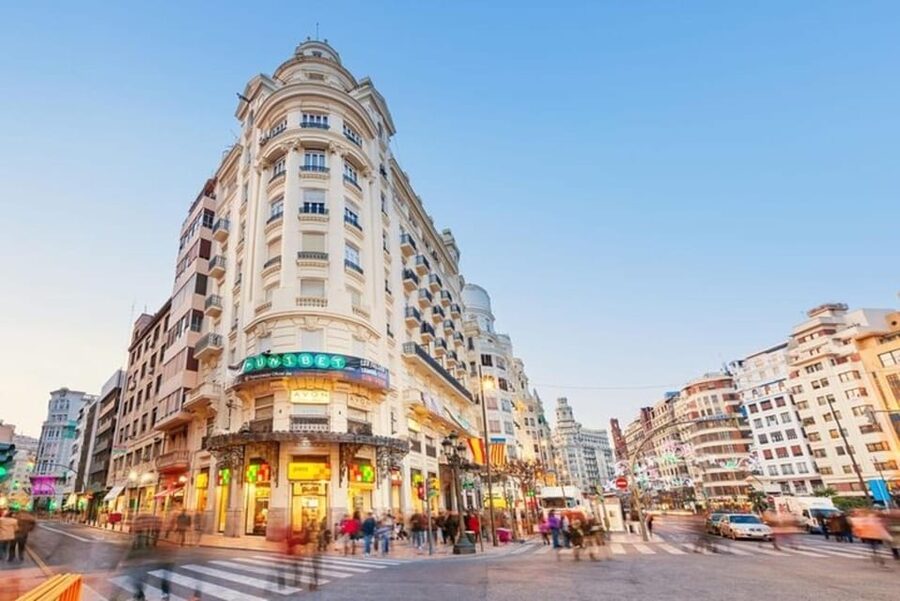
Next comes Virgen de los Desamparados Basilica, another stop that balances the itinerary. I like that the tour does not only focus on government buildings and historic gates. It also includes a major religious landmark, so you get a fuller picture of what shaped Valencia’s public spaces.
You will have a photo stop, then a guided visit, and then enough time to keep walking. The best part of a stop like this on foot is the way your guide can connect what you see to the bigger story of Valencia’s layers. The tour description specifically frames the city’s evolution from Moorish roots to Renaissance splendor, and places like this are where that story becomes visible in stone and design.
If your goal is to understand why plazas, churches, and civic buildings sit in such close conversation, this stop earns its place. It also sets you up for the next swing into administrative and ceremonial areas of the city.
Correus and Ciutat Vella: seeing the city as a system
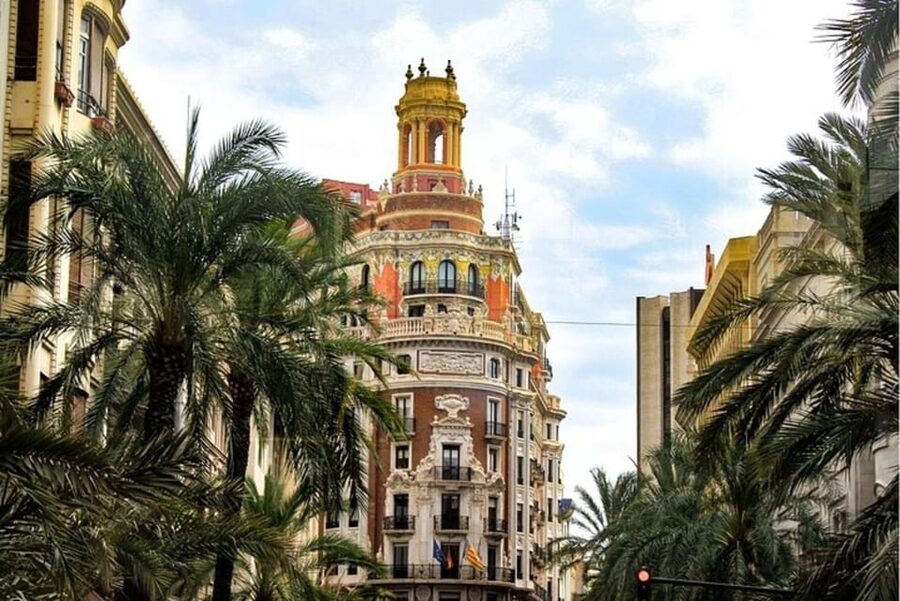
After the basilica, the route moves to Correus and then into Ciutat Vella, Valencia. Even without going into a lot of extra detours, this is an important shift. The itinerary is effectively moving you from landmark to landmark, but it also keeps you inside the older fabric of the city.
This is where you start to feel the “system” of Valencia: streets connect squares, squares connect institutions, and those institutions repeat across the old quarters. The tour’s promise of “diverse layers” becomes clearer when you are walking the same kind of streets locals have used for generations.
Feedback also points to guides who explain what you see on the walls and surfaces, not just the big outline. For example, Francesca was noted as fabulous, with lots of history and insight, and a special emphasis on wall art explanations and small experiences. That kind of guide style can make a short stop like Correus feel more alive.
Plaza del Ayuntamiento: where civic Valencia comes into focus
Then you arrive at Plaza del Ayuntamiento. This is one of those places where the “why it matters” becomes obvious fast. The city’s civic center is not hidden, and it makes sense as a mid-tour anchor.
You get another photo stop and guided visit, with time to walk through and keep your orientation. I like this placement because it serves as a hinge point. After the basilica, you are shifting from spiritual space to civic space, and a town hall square gives you a clear contrast.
Practical tip: plazas can open up into wind or bright sunlight depending on the time of day. If you are photographing, it helps to plan for squinting and to keep sunglasses handy. The tour moves quickly, so any delay at the plaza can steal time from later stops like the cathedral and the palace.
Torres de Serranos: the historic gate you can read in person
A highlight is Torres de Serranos, one of Valencia’s historic gates. This is the part of the tour where I think the walking format really pays off. You are not seeing the gate from across the street. You are standing close enough to understand scale and to appreciate how a fortification becomes a symbol of the city.
You get photo time, then a guided visit and sightseeing on foot. And because the tour is framed as an exploration of the oldest quarters, it is a natural place for your guide to connect the city’s origins and evolution to what you can see today.
If you like photos that feel “context-rich,” this is where you get them. Wide angles help, but details help too, especially when your guide points out specific parts of the structure. This is also a great moment to ask questions, since the group is gathered and your guide can focus the explanation.
More of Valencia on foot
Palace of the Generalitat: power, architecture, and how Valencia governs
Next is the Palace of the Generalitat. The tour description names the Valencian Parliament as part of this stop, which is a big clue about why it sits here in the itinerary. This is not only about beauty. It is about how government and civic identity take shape in the built environment.
Expect a photo stop and a guided visit, then more walking as you head toward the cathedral. I like that this stop continues the civic thread from Plaza del Ayuntamiento. By the time you reach the palace, the tour has already shown you how Valencia uses squares and institutions as meeting points for the city’s life.
Drawback to consider: palace interiors and guided access can vary based on time and rules you might not know in advance. The tour includes a guided visit, but if you want maximum time inside, keep your expectations flexible and focus on what you can see during the guide-led portion.
Valencia Cathedral: closing with a major landmark
Finally, you reach Valencia Cathedral. This makes a lot of sense for a short walking tour because it caps your route with one of the most recognizable spiritual landmarks in the city.
You will get a photo stop, then another guided visit and sightseeing. The cathedral also works as a final “bookend” to the earlier stops. You moved from gate to market to basilica to civic plazas, and now you end at a place that pulls the story back toward centuries of cultural identity.
If you are the type who likes to compare architectural styles as you go, ask your guide to help you connect what you saw earlier to what you are seeing now. The tour’s framing about Moorish roots and Renaissance splendor is easiest to grasp when you are thinking in contrasts, not isolated attractions.
How the 2-hour structure really feels on your feet
The pacing is designed around short, repeatable segments, with each main stop including a photo break, guided time, and walking time. In practical terms, that means you will likely feel like you are moving almost continuously, with brief pauses rather than long rests.
This is great if you want a high-value overview and you do not want to plan a route yourself. It is less ideal if you get tired quickly, need lots of quiet time, or want deeper museum-level reading.
What I recommend to make it feel better:
- Start with a water plan, since food and drinks are not included.
- Wear shoes that work on older streets.
- If you care about hearing details, position yourself where the guide is easiest to see and hear.
Also, group communication quality varies by guide. One piece of feedback mentioned a guide needing to speak louder or use amplification and engaging more with the group. So if sound is a concern for you, do your best to stay close and active.
Price and value: what $82 buys you in real terms
This tour costs $82 per person for a 2-hour small-group, English-speaking guided walk. For a city like Valencia, I think that price makes sense because it compresses multiple major landmarks into one plan and adds a guide’s explanations while you are already there.
You are paying for two things:
- Access to guided interpretation, so you understand what you are looking at rather than treating each stop as a separate selfie location.
- Time saved on logistics, since the route ties together market, basilica, civic squares, the historic gate, a palace connected to government, and the cathedral.
Is it worth it for everyone? It is a strong fit if you are doing Valencia for the first time, or if you want an efficient way to learn the old-town layout. If you already know the city well and you love slow, independent exploring, you might feel it is too structured for your style.
Who should book this walking tour (and who might not)
I would book this if:
- you want a 2-hour overview of Valencia’s core sights in Ciutat Vella
- you like guided context for famous buildings like Torres de Serranos and Valencia Cathedral
- you prefer a small group with an English-speaking live guide and short, walkable segments
You might skip it if:
- you want long stops, lots of downtime, and time to eat during the tour
- you are very sensitive to pace, crowding, or hearing the guide clearly
If you are traveling with limited mobility, the tour is listed as wheelchair accessible, which is a big plus to check when you confirm your plans.
Should you book this Valencia must-see attractions walking tour?
My take: book it if you want a solid, efficient way to connect Valencia’s main sights into one understandable story. The route hits the must-visit anchors, starting with Torres de Serranos, and it keeps civic and religious sites in balance. The best feedback also points to guides who tailor the tour and explain visuals, like Craig’s easygoing personalization and Francesca’s wall art style explanations.
If you do book, go in prepared for a structured walk. Bring water, wear comfy shoes, and be ready to move from stop to stop. If you are expecting a slow, museum-like experience, you will probably feel rushed.
FAQ
Where is the meeting point for the Valencia walking tour?
Meet on Carrer del Mur de Santa Anna in the historic Ciutat Vella district of Valencia.
What is the duration of the tour?
The tour lasts 2 hours.
How much does the tour cost per person?
The price is $82 per person.
What does the tour include?
It includes a small-group walking tour and an English-speaking guide.
Are food and drinks included?
No, food and drinks are not included.
What languages are available for the live guide?
The tour offers live guiding in English, Spanish, French, and Italian.
Is the tour wheelchair accessible?
Yes, the tour is listed as wheelchair accessible.
Can I reserve and pay later?
Yes, reserve now and pay later is offered.
FAQ
What is the cancellation policy?
You can cancel up to 24 hours in advance for a full refund.
Is this tour a private group?
The tour is listed as a private group.
More Tours in Valencia




More Tour Reviews in Valencia





More Valencia, Booked and Rated
Newest Valencia write-ups


Walking Tours, side by side.
 ★ 4.7Essentials and World Heritages Sites Walking TourFrom $21684 reviews
 ★ 4.6Historical Walking TourFrom $17390 reviews
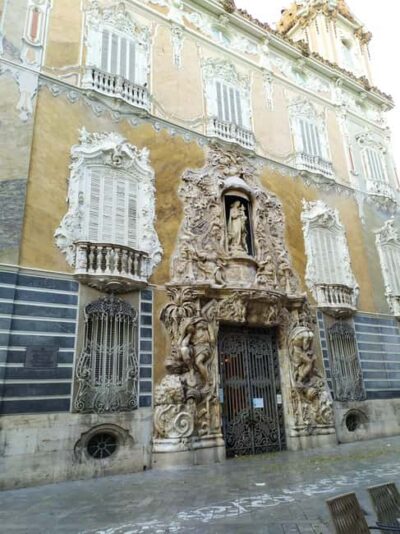 ★ 4.9City Walking Tour with Top Attractions – ITALIANFrom $17242 reviews
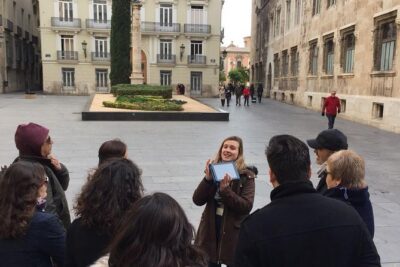 ★ 5.0Valencia Private Walking Tour with Official Valencian GuideFrom $127176 reviews
 ★ 4.5The 10 Tastings of Valencia With Locals: Private Food Walking TourFrom $152119 reviews
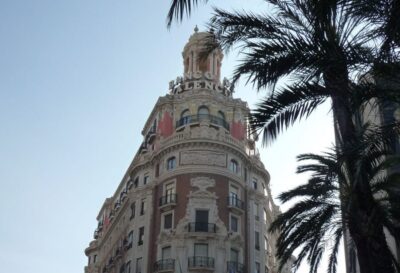 ★ 4.9Private 4-Hour Walking Tour of the Old TownFrom $39454 reviews
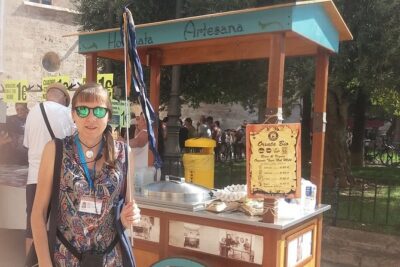 ★ 5.0Valencia guided tours – walking tours –From $21644 reviews
 ★ 4.2Alicante: Private Custom Walking TourFrom $5339 reviews
Filed in