
REVIEW · WINE TOURS
Xalo: Vineyard Tour with Wine Tasting and Snacks
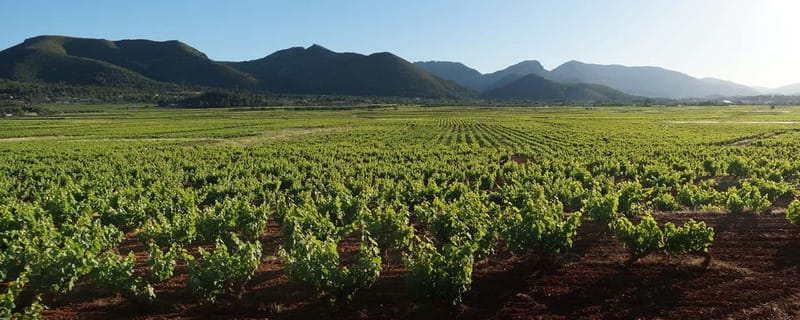
Stepping into a working vineyard in Xalo sets the tone for everything that follows. I love how this tour mixes vineyard views with real winemaking details, and I also like that the tasting comes with local snacks that actually make the wines easier to understand. One thing to consider: the visit only runs when there are at least 4 people, so double-check the dates if your schedule is tight.
What you get here feels personal because the tour is guided live in Spanish, Catalan, and English, and the winery story is shared by people who still do the work. In particular, I’m drawn to the way Marina, the winery owner, takes her time and answers questions (her dog Winnie may even join the conversation). The main drawback is simply the short time frame, so you’ll want to come ready to ask your best questions fast.
Key highlights to look for
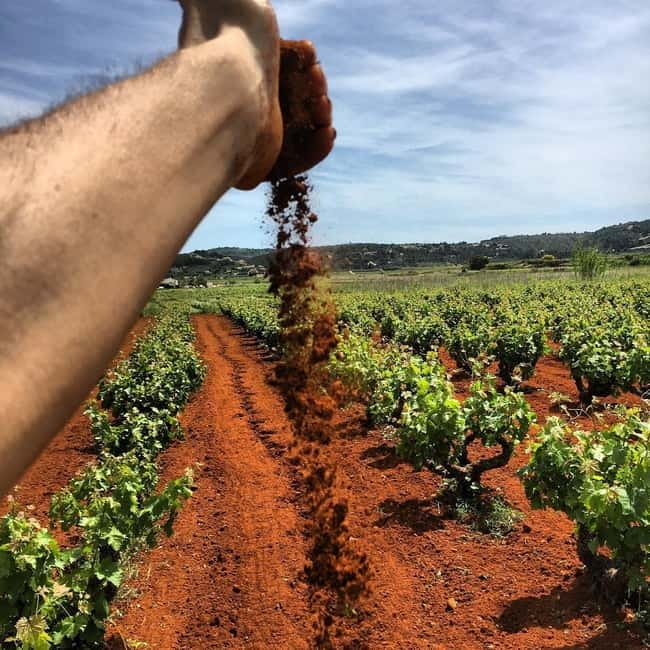
- Walk the vineyards first, then learn how the family project grew and what the land is doing
- Cellar tour with barrels and clay amphorae, so you see more than just bottles
- Tasting of 5 wines, plus mistelas, paired with local products
- Marina’s patient, question-friendly guidance, shared in Spanish, Catalan, or English
- A small setting at Bodegas Riko, making it easier to talk and move at a comfortable pace
Why this Xalo winery tour feels more personal than big tastings
This isn’t the kind of wine stop where you get herded, sip fast, and move on. The structure is simple: you start in the vineyard zone, then you head into the winery spaces, and you finish with tastings that come with small plates. That order matters, because the first part gives you context before your glass ever reaches your lips.
The biggest win for you is that the tour ties together three things most tastings separate. You learn about the land and grape varieties, you tour the cellar where wines age, and you taste what that process creates. By the time you get to the end, the flavors make more sense, not less.
The setting also helps. This is a small family winery founded in 1921, and it comes through in how the guide talks about the work. If you like asking why and how, this kind of tour usually rewards you.
Where to meet Bodegas Riko in Avinguda Rei Juan Carlos I
You meet at Bodegas Riko, right at Avinguda Rei Juan Carlos I, 33 in the Valencian Community. This matters because it keeps things straightforward. You’re not piecing together separate meeting points or guessing where the vineyard walk begins.
Timing is also worth planning around. The total duration is 2.5 hours, and starting times can vary, so check availability before you lock in your day. If you’re pairing this with other Xalo plans, give yourself a buffer so you’re not sprinting through the walk and then rushed through the tasting.
If you use a wheelchair, this tour is listed as wheelchair accessible, which is a big plus for a vineyard experience where footing can be tricky elsewhere.
Vineyard start: learning the town, the vines, and why the land matters
The tour begins at the vineyard, where the guide sets the stage for the rest of the day. You’ll start by discovering where the magic begins, learning about the family project and getting grounded in local grape varieties and the area’s land history.
One of the most interesting parts here is how the story links the present to earlier eras. The information shared connects grape growing in Valle Xalo to older influences in the region, including the period when the Moors shaped parts of local agriculture. Even if you’re not a history nerd, this kind of background gives you a reason for why certain techniques and choices persist.
During this first chunk of time, you’re also on foot. Expect about 45 minutes of camp activities, which is a friendly way of saying you’re not just standing and listening. You’ll get your bearings, see the vines up close, and get the basics before you head to the cellar.
Practical tip: wear shoes you trust on outdoor ground. You’ll be walking as part of the experience, and the whole point is to see the vineyard environment that creates the wines you’ll later taste.
The guided winery tour: presses, cellar spaces, and real aging vessels
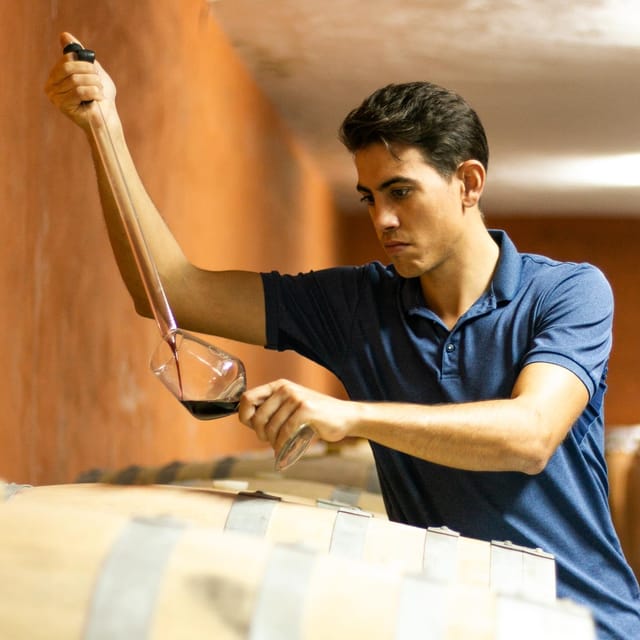
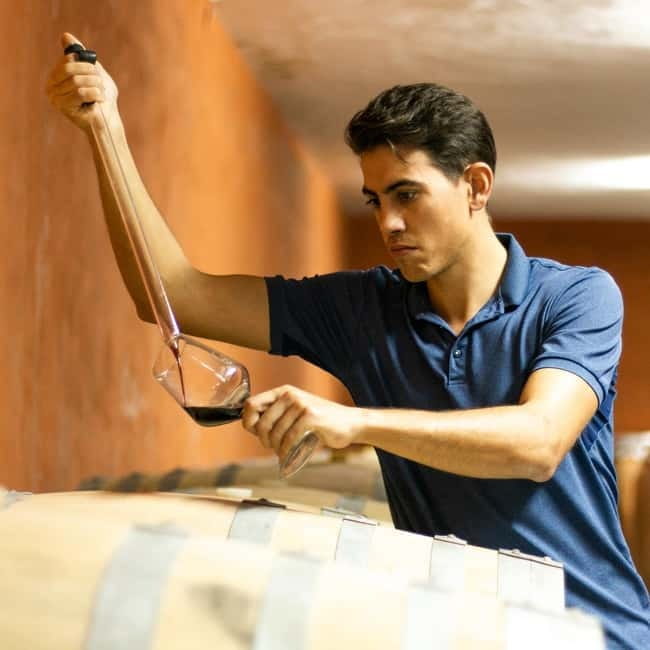
After the vineyard time, the program shifts into a more traditional guided visit with about 15 minutes of focused tour guidance. This is where the tour becomes very hands-on in the best way.
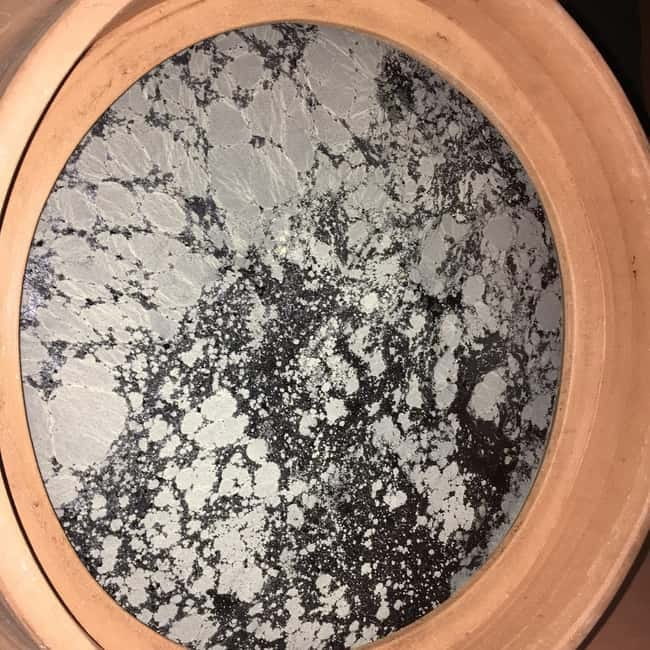
You’ll move through the winery facilities and then head down to the cellar. This cellar visit is a highlight because you get to see aging tools up close, including barrels and clay amphorae. That detail is more than scenic. It helps you understand why the wines might feel different in texture and character, since aging choices influence how flavors develop.
If you enjoy the mechanics of wine, you’ll probably also like the mention of equipment such as presses you may see during the cellar walk. It gives you a clearer picture of the full chain, from grape to fermentation to aging.
This is also the moment when guides often slow down for questions. In this case, Marina has a reputation for taking time, and that matters if you want to know things like how the local grape varieties behave in this specific setting.
Wine tasting with snacks: 5 wines, emblematic wines, and mistelas
The ending is where most people decide if they loved the tour. Here, you finish with a tasting that’s built around the winery’s wines and local pairings. You’ll taste 5 wines, and the tour also includes mistelas along with the winery’s more emblematic wines.
The tasting portion is about 1 hour, so it’s long enough to compare, but not so long that you lose your sense of what you’re tasting. That balance is great for value. You get enough variety to notice differences, and you get snacks to help you pace yourself.
The snacks are not random. The wines are paired with local products, and that’s a useful learning tool. When you taste wine with something made nearby, you start to connect the flavors to the food culture of the region, not just to your personal preferences.
One extra detail that stands out from the experience description is that the wines are paired with products and served alongside mistelas. Mistelas can be a sweet finish, so having food support matters. It keeps things enjoyable rather than cloying.
Pairing local products with Valencian flavors (and why it helps you learn)
Wine tasting is often treated like a solo activity: swirl, sip, decide. Here, the local pairing approach changes your experience because it gives your palate something to work with.
In practice, pairing helps you in two ways:
- You get a clearer sense of acidity, sweetness, and structure because food nudges your perception.
- You start thinking like the people who make the food and wine locally, not like someone trying to translate wine notes from a brochure.
The snacks are part of that learning. Even if you’re not a foodie, the combination helps you figure out what you truly like, not just what sounds impressive.
I also like that the tour doesn’t pretend wine tasting is purely academic. It’s guided, but it’s still meant to feel enjoyable. That’s why I’d call this a good match if you want education without stuffiness.
What you’ll learn about grape varieties and winemaking secrets
The tour promises insights into the secrets of winemaking in the area, and that’s exactly what you should watch for while you’re listening. The value is not in memorizing facts. It’s in getting the logic behind the flavors.
From this experience, you should expect to walk away understanding:
- how the local grape varieties relate to the land and climate choices
- how the family winery’s long timeline shaped its approach
- how cellar methods, including clay amphorae, fit into aging and style
- how the history of the town and agriculture helps explain what the winery focuses on today
If you’re the kind of traveler who likes to ask questions, bring them. In this tour, the guide is known for taking time. Questions about the aging process, the grapes, or even what to taste first are usually welcome in a small group setting.
Group size, languages, and who this tour suits best
This tour runs only with a minimum of 4 people, which usually helps keep the experience from becoming a fast, crowded showroom. Smaller groups mean you’re more likely to get a real conversation, especially during the cellar visit and tasting.
Languages are also a plus. The guide offers live interpretation in Spanish, Catalan, and English, so you can choose what’s most comfortable. If you’re traveling with friends, this also helps if you don’t all share one language.
As for who it suits:
- You’ll enjoy it if you like vineyards, wine basics, and food pairings.
- You’ll enjoy it if you want a small winery feel rather than a mass-tour experience.
- You might skip it if you already know you only care about tasting and don’t want the vineyard and cellar explanation.
Because the tour is only 2.5 hours, it’s a strong option for a morning or afternoon slot when you still want energy left for the rest of your day in the Valencian Community.
Practical tips so the 2.5 hours stay fun, not rushed
This is a short, guided plan, so preparation pays off.
- Eat something before you arrive, even if you plan to snack during the tour. You’ll enjoy tastings more if you’re not starting from an empty stomach.
- Plan to stay engaged during the vineyard portion. The quick vineyard start is what helps your tasting make sense later.
- Bring a few pointed questions. With a guide who takes time, you’ll get more out of your glass if you ask why certain choices happen in the cellar.
- If you’re using a wheelchair, you’ll be glad this is listed as wheelchair accessible, but it’s still smart to keep your day flexible if outdoor surfaces are uneven in places.
Also, don’t overpack your schedule. The tour is structured, and you’ll want enough time afterward to reflect on what you liked instead of rushing to your next commitment immediately.
Price and value: what you’re really paying for
No exact price is given here, so I can’t judge cost against a number. But I can judge value based on what’s included.
You’re getting:
- a winery visit with vineyard context
- tasting of 5 wines
- appetizers and local food pairings
- a guided explanation in multiple languages
- access to the cellar setup, including barrels and clay amphorae
That combination is where the value usually comes from. You’re not just buying a pour. You’re buying time with a guide plus access to parts of the process that most casual tastings skip.
If you normally do tastings where you only sit and taste, this offers more “why” per glass. That’s the kind of value that lasts, because you learn something transferable for the next winery you visit.
Should you book the Xalo vineyard tour at Bodegas Riko?
I think you should book if you want a friendly, structured wine experience that stays focused on place. You’ll likely love the vineyard start, the cellar visit with clay amphorae and barrels, and the way the tasting ends with mistelas and local products.
I’d hesitate if your main goal is only drinking wine with no interest in the explanation, because the tour does take time to talk and walk. Also, if your dates are inflexible, remember the tour only runs with a minimum group size of 4, so plan around that.
If you like small family wineries, patient guides, and pairings that help you learn what you’re tasting, this is a solid choice in Xalo.
Wine Tours, side by side.
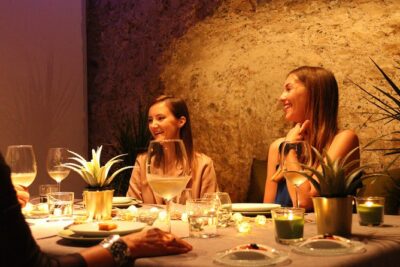 ★ 5.0Valencia Old Town Tour with Wine & Tapas in 11th Century Historic MonumentFrom $963,234 reviews
 ★ 4.9Old Town Tour, Wine & Tapas in an 11th c. MonumentFrom $941,797 reviews
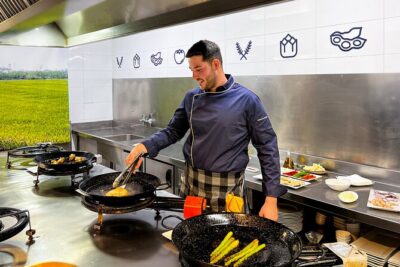 ★ 5.0Paella Cooking Class, Wine Tasting & Central Market in ValenciaFrom $841,150 reviews
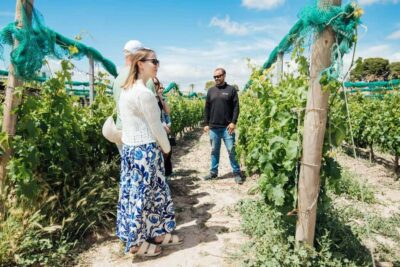 ★ 4.8Alicante: Countryside Wine Tour with 4 TastingsFrom $68301 reviews
 ★ 4.3Calpe: Sunset Cruise with Sparkling WineFrom $28260 reviews
 ★ 5.0Wine Tasting Experience with a Professional Sommelier in Valencia City CenterFrom $75244 reviews
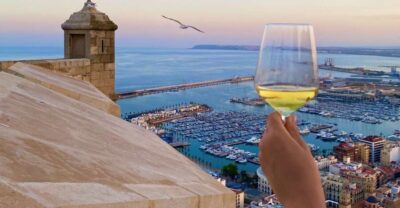 ★ 4.3Alicante: Santa Bárbara Castle Wine Tasting with Cold CutsFrom $30165 reviews
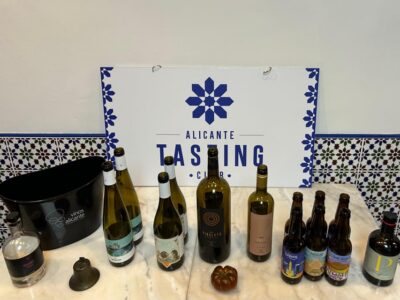 ★ 4.8Alicante Best Wine Tasting & Tapas ClubFrom $41141 reviews
Filed in