
Fallas turns Valencia into outdoor theater. This Fallas Festival walking tour gives you an expert-led way to see how the city celebrates, with high-impact stops at big street monuments, including Falla Ayuntamiento. I especially like the way the guide connects Falla monuments to local traditions and history, and I like that you walk right past several of the most important street sights rather than just a couple of photos. One thing to consider, the experience runs in heavy festival conditions, so rain, noise, and crowd size can make audio harder to catch.
You’ll meet at the Bullring Square area and head out on a guided route that ends at Plaça del Portal Nou. The price is budget-friendly for a guided 2.5-hour outing, but it does not include food, transport, or tickets, so plan for small extra costs if you want optional add-ons. Also, the tour is during the Fallas period in March, so you’ll want comfortable shoes and a bit of patience for street-level logistics.
Key things to know before you go
- You’ll see major monuments up close: Falla Convento Jerusalén, Falla Ayuntamiento, and other key street locations.
- An expert guide makes it make sense: you get the history and traditions of the festival, explained as you walk.
- You get street-art spotting tips: your guide points out an abundance of street art along the way.
- A dedicated viewpoint stop is built in: there’s a set 30 minutes for a viewpoint moment during the route.
- Audio can be a mixed bag in crowds: one review flagged headset sound issues in noisy areas.
A Fallas Festival walking tour that saves you from guessing
Fallas in Valencia is one of those experiences where, if you show up with no context, you can end up doing a lot of wandering and still feeling a bit lost. This tour is designed to fix that. You’re not just walking between monuments, you’re walking with someone who explains what you’re looking at and how it fits into the festival.
I like that the focus stays on real street stops. You’ll visit several prominent Falla locations, so you’re not relying on quick glimpses from a distance. And because the guide walks you through the city with you, you also pick up practical tips for getting around and finding the vibe on the ground.
The other nice part is that the guide does more than narrate. Along the route, you’ll learn about the festival’s traditions and history and you’ll also get pointers on local gastronomy. That matters because Fallas is a time when food plans can be part of the fun, not just a random dinner hunt.
Where to meet: Bullring Square and the route ending at Plaça del Portal Nou
Your meeting point is Bullring Square, near the ticket office. The address C/ de Xàtiva, 26 is also listed as a starting reference, so if you’re navigating on your phone, use both the landmark and the street name to stay confident.
After the tour, you finish at Plaça del Portal Nou, 46003 València, España. That end point is useful because it drops you into central Valencia rather than sending you back to exactly where you started. In practice, that means you can often keep exploring on foot after the tour without needing to redo transit just to get back into the flow of the city.
Because this is a walking experience, bring comfortable shoes and expect street-level walking time to add up. The tour itself is listed as 2.5 hours, and the route includes a viewpoint segment, so you’ll be on your feet throughout.
The rest of Valencia, one booking at a time
- Valencia: Oceanogràfic Entry Ticket
★ 4.7 · 9,893 reviews - Valencia: 24 or 48-Hour Hop-on Hop-off Bus Ticket
★ 3.9 · 5,611 reviews - Valencia: Palosanto Flamenco Show Ticket
★ 4.8 · 3,876 reviews - Valencia: Catamaran Cruise with Sunset Option
★ 4.0 · 3,566 reviews
The 2.5-hour plan: how the pacing works
This is a compact half-day style tour at 2.5 hours. The structure matters because Fallas streets can get packed fast, and a tight schedule helps you actually see the stops rather than spending most of the time stuck.
A built-in 30 minutes at a viewpoint gives your group a chance to reset. It also helps you catch the broader city picture, which is handy when you’re surrounded by monuments, banners, and street art details. Think of it as a pause in the middle, not a long detour.
The pacing also makes a difference if you get tired of listening to narration for hours. Here, you’re guided and focused, then you move again. That rhythm keeps the tour from feeling like a lecture.
Stop 1: Falla Convento Jerusalén, where you start seeing patterns
One of the first big draws is the lineup of Falla monuments you’ll visit, and Falla Convento Jerusalén is specifically called out. Starting here is a good move because it gives you an early “anchor” location, so later stops feel like part of a bigger story rather than disconnected sights.
This is also where the guide’s role becomes most obvious. As you walk, you’re not just looking at a street scene, you’re learning the history and traditions behind the festival and how those traditions show up in what you’re seeing.
If you care about street-level culture, this type of start helps. You learn how to read the festival atmosphere, including the street-art layer your guide points out along the way. In a festival like Fallas, that extra layer can be the difference between watching fireworks from a distance and actually feeling the city.
Falla Ayuntamiento: the headline monument moment
Falla Ayuntamiento is another key stop. It’s the kind of location that tends to pull your attention immediately because it’s a centerpiece for the festival streets.
What I like about having a guided stop here is that you don’t just see it as a famous name. Your guide explains traditions and history while you’re standing right at the monument, so the context lands in real time. That matters because on your own, it’s easy to miss the meaning behind why certain places feel more important than others.
Also, if you’re planning to take photos, this is usually where you’ll want to give yourself a little extra patience. Festival crowds can slow things down, and the guide helps keep the group moving so you’re not stuck waiting endlessly while others squeeze for angles.
The middle stops: Falla El Pilar and Na Jordana plus the street-art trail
Depending on the route for your date, you’ll visit major monuments including Falla El Pilar and Na Jordana. The value here is variety. Instead of repeating one type of scene, you get different street corners and different monument personalities across the same festival atmosphere.
This is also where the tour leans into the “walk like a local” style. Your guide points out the abundance of street art, and that transforms your route into more than a checklist. Even if you’re not a street-art expert, you start noticing details you’d normally miss when you’re rushing between landmarks.
This part of the tour is also where conditions can be toughest. One review flagged that the group size can feel too big for the crowd, which can make it harder to hear and move smoothly. If you’re sensitive to noise or close quarters, keep that in mind and be ready to take short side steps when you need space.

The 30-minute viewpoint stop: use it to regroup
Midway through, you get a 30-minute viewpoint moment. You’ll want to use this time in a smart way. I treat it like my reset button during festival tours: drink something, check your bearings, and decide what you want to photograph next before the walk continues.
Even if you don’t know the exact scene the viewpoint offers, a dedicated stop like this is still valuable. It gives your eyes and ears a break from constant motion. It also helps you understand the city layout better, so after you finish in Plaça del Portal Nou, you can keep exploring with less guesswork.
If weather turns, this is often the time where you’ll feel it most. One review specifically mentioned that rain and rough conditions did not stop the guide from making the tour fun, which is reassuring. Bring a light rain layer and expect you’ll spend most of your time outdoors.
Price and what it really costs you: $21 plus the small extras
The tour price is listed at $21 per person, and the only item included is a local guide. That’s great value if you want context without paying for admission fees or a big structured package.
But do plan for the fact that food, transport, and tickets are not included. So your total day cost will depend on what you do before and after the tour. If you’re someone who likes to snack during walks, factor that in so you’re not surprised later.
One review also mentioned optional headsets, noting a small extra charge of 2 euros and that the audio devices sometimes stopped being heard clearly at points in the noise. If your goal is to hear every detail, it’s worth showing up expecting festival sound levels, and then using any headset option provided by the operator as your backup, not your only plan.
If you’re budget-minded, the math still works. A local guide for a 2.5-hour Fallas-focused route is usually the most expensive part to replicate on your own through multiple taxis and random museum hours that don’t match the festival schedule. Here, you buy direction and explanation in the exact places you want to be.
Rain, crowds, and audio: the practical reality
Fallas tours can be weather-dependent. You’ll be outside, and one review described the guide making the tour fun despite rain and unpleasant conditions. That kind of resilience is a real quality because Valencia in March can change fast.
Crowd size is the other reality. One review said the group felt too large for the amount of people, which can be frustrating when the goal is to enjoy and learn rather than shuffle. If you prefer a quieter pace, arrive with the mindset that this is a popular festival walk.
Audio is another practical factor. Reviews flagged that the audio equipment can be less effective in noisy ambient conditions. If clarity matters to you, keep your expectations realistic, and be ready to ask the guide to repeat a key point when needed.
Wheelchair accessible, languages covered, and who should love this most
Wheelchair accessible is explicitly listed, and the tour includes a live guide in Spanish, English, and Italian. That’s a strong setup for mixed groups and for visitors who want real-time explanations instead of reading labels while standing in the street.
So who is this tour best for?
- First-time Fallas visitors who want structure and context fast.
- People who like walking tours but don’t want to spend the whole day researching which Falla monuments are worth it.
- Travelers who enjoy street art and want the guide to point out what to notice.
It may be less ideal for people who hate crowded routes or who need very quiet listening conditions. If you’re going to be very sensitive to noise, keep your headset expectations realistic and consider choosing the time slot that feels less hectic if that option is available when you book.
Should you book this Valencia Fallas tour?
Book it if you want a guided, budget-friendly way to see multiple major Fallas locations with explanations as you walk. I especially think it’s worth it if you care about understanding the history and traditions behind what’s happening, because that context is what turns street monuments into a story you can follow.
Skip it or reconsider if you’re chasing a slow, uncrowded experience where you can hear every word without any trouble. Festival crowds are part of the package, and one review flagged issues with audio performance and group size.
For most people, though, the value is strong: a 2.5-hour guided route, multiple important stops like Falla Ayuntamiento, and city insights that go beyond the visuals, plus a viewpoint break to catch your breath.
FAQ
How long is the Valencia Fallas Tour?
The duration is 2.5 hours.
Where do I meet the guide?
You meet at Bullring Square, near the ticket office.
What does the tour cost?
The price is $21 per person.
What is included in the price?
The tour includes a local guide.
What languages is the live guide available in?
The live tour guide is available in Spanish, English, and Italian.
Is the tour wheelchair accessible?
Yes, the tour is wheelchair accessible. You should bring comfortable shoes for the walking time.
More Tours in Valencia




More Tour Reviews in Valencia




More Valencia, Booked and Rated
Newest Valencia write-ups


Tours, side by side.
 ★ 5.0Valencia Old Town Tour with Wine & Tapas in 11th Century Historic MonumentFrom $963,234 reviews
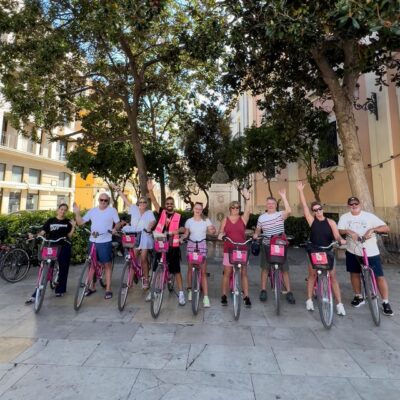 ★ 4.7City Highlights Guided Bike TourFrom $262,373 reviews
 ★ 4.9Old Town Tour, Wine & Tapas in an 11th c. MonumentFrom $941,797 reviews
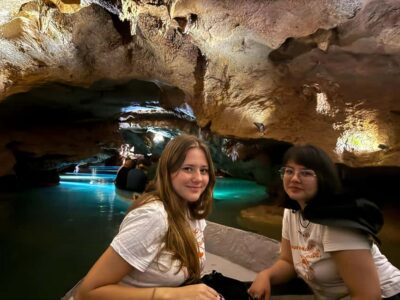 ★ 4.6From Valencia: Caves of San José Guided Excursion and TicketFrom $551,717 reviews
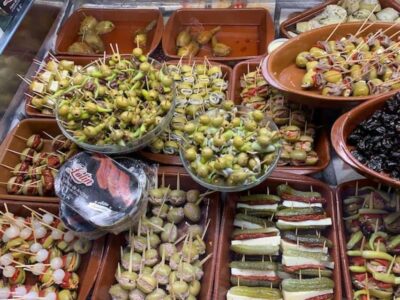 ★ 4.8Alicante: Secret Flavors Food TourFrom $341,514 reviews
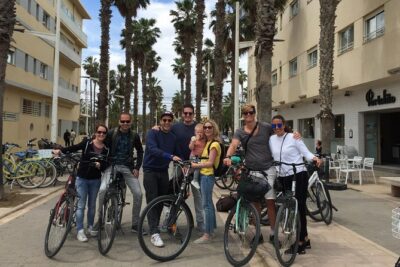 ★ 5.0Valencia Bike Tour from the City to the Beach, plus Bike Guy App!From $481,187 reviews
 ★ 4.8Alicante: Seven Secrets of Alicante Discovery TourFrom $34956 reviews
 ★ 4.7From Alicante/Benidorm: Guadalest & Algar Waterfalls TourFrom $53912 reviews