
REVIEW · CITY OF ARTS AND SCIENCES GUIDED TOURS
The City of Arts and Sciences in Valencia
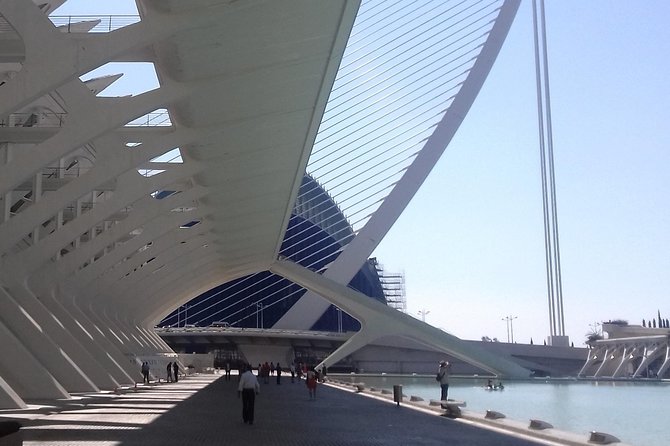
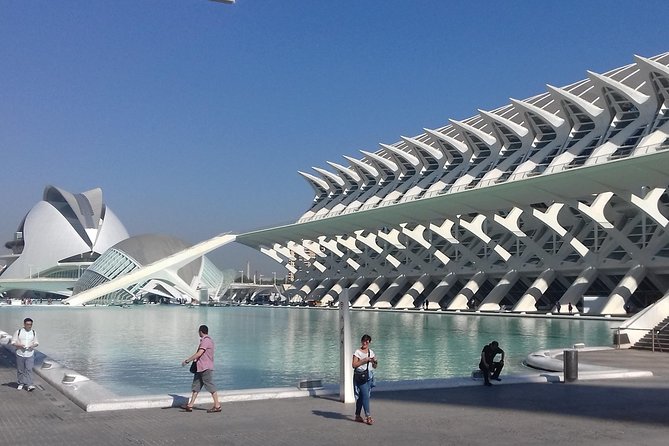
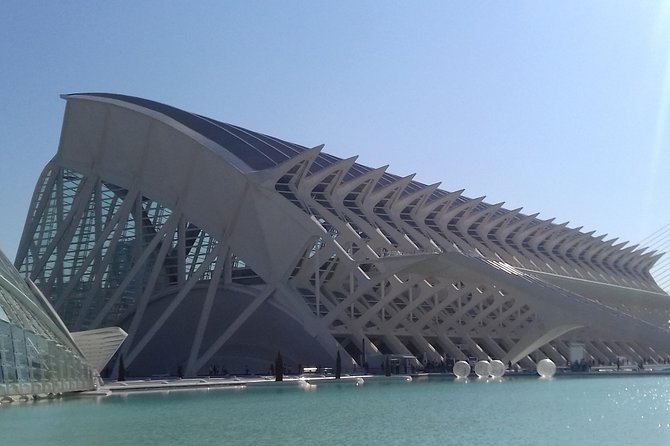
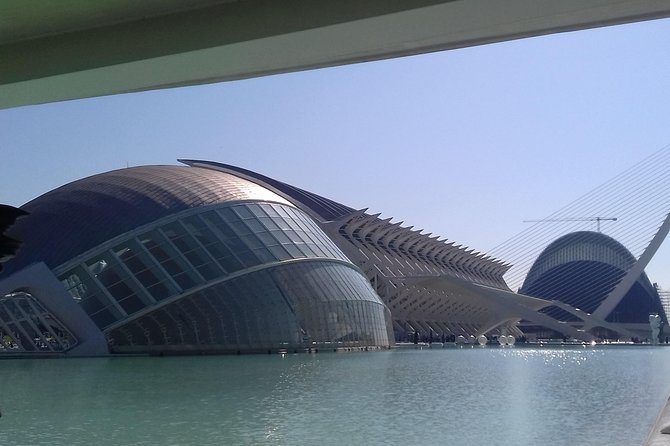
Modern Valencia, explained in a walk. The City of Arts and Sciences in Valencia is one of those places where buildings look futuristic, but the story is surprisingly human and practical. I love that the tour focuses on meaning, not just photos, and you get a clear sense of how Santiago Calatrava’s design connects every stop.
Two big wins for me are the stop-by-stop guidance and the outside-to-inside perspective. You’ll also spend time in the Umbracle garden and the main corridors, where you can get a feel for the exhibitions without needing to buy every ticket. One consideration: this is an external visit, so the Hemisferic, Science Museum, Palau de les Arts, and Aquarium Oceanogràfic entrances are not included.
Why This City of Arts and Sciences Walk Feels Worth It
You come to Valencia for beaches and paella, sure. But if you want a modern landmark that’s still tied to the city’s real life, this tour is a smart intro.
I like that it’s built like a guided “orientation walk.” The guide helps you read the complex the way locals might, from the overall layout to why each building sits where it does. You’re not stuck in one museum room. You’re moving through a designed space, and you get the big connections: location, outside space, and what those buildings are trying to do for culture and science.
Also, I genuinely appreciate the pace. At about two hours, you’re not committing to a half-day you may not want. And since the group is limited to 10 people, it stays comfortable enough to ask questions.
One more small bonus: the tour includes historical information, plus a little present. It’s not a huge item list, but it adds to the “you’re being looked after” feel.
Price and What You Actually Get for $28
At about $28 per person, this is priced like an effective guided orientation. And that matters, because you are not paying for full entry tickets to every attraction.
Here’s what you get inside that price:
- A live guide
- Around 2 hours of external visit and walking through the complex
- Context for the main buildings and their purpose
- Time at key areas where you can see the complex’s design and flow
Here’s what you should plan for separately:
- Tickets for Hemisferic are not included
- Tickets for Sciences Museum Prince Felipe are not included
- Tickets for Palau de les Arts are not included
- Tickets for Aquarium Oceanogràfic are not included
If you want the full indoor experience at any of those, you’ll likely add tickets after this tour. But if your goal is to understand the complex first, then decide what to enter, the value is strong. You’re buying clarity, not just access.
Meet at El Corte Inglés, Then Walk Into the Design Story
The meeting point is easy to find if you use the right landmark. You meet at the main entrance of department store El Corte Inglés on Pintor Maella street, close to Aqua mall, in front of the taxi stop.
The tour runs every day at 10:00 a.m., except the day of the Valencia Marathon. That timing is great for two reasons. First, you get your bearings early in the day. Second, you’re not competing with the peak crowds as much as you would later.
The group is small, up to 10 participants, and the tour is offered in German, English, Italian, and Spanish. It’s also wheelchair accessible, which is a major practical plus for a complex that’s all about open space and large architecture.
The rest of Valencia, one booking at a time
- Valencia: Oceanogràfic Entry Ticket
★ 4.7 · 9,893 reviews - Valencia: 24 or 48-Hour Hop-on Hop-off Bus Ticket
★ 3.9 · 5,611 reviews - Valencia: Palosanto Flamenco Show Ticket
★ 4.8 · 3,876 reviews - Valencia: Catamaran Cruise with Sunset Option
★ 4.0 · 3,566 reviews
Your Route Through the Complex, Step by Step
This tour is intentionally structured like a “guided walk-through.” You’re not just passing by. The guide explains what each area is for and how the architecture changes the way you move and look.
Your core stops are:
- The main corridor area connected to Hemisferic (only if available)
- The Umbracle garden
- The main corridor of the Sciences Museum Prince Felipe
- The Agora building
- The main entrance area of Aquarium Oceanogràfic
You also get a broader explanation along the way: how outside space matters, what you can understand from corridors and public areas, and how the complex has financial relevance for Valencia. That last part is quietly useful. It’s not just aesthetic talk, it’s about why this kind of project matters to a city.
Hemisferic Corridor (If Available): Getting Oriented Fast
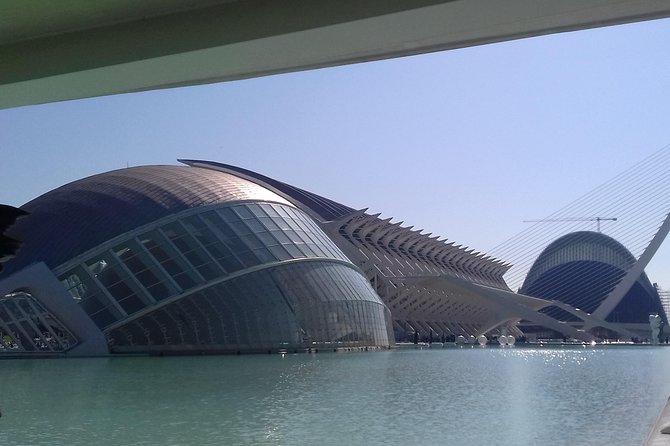
One of the first elements you may see is the main corridor connected to Hemisferic, if it’s available. This is useful because Hemisferic is often treated like a standalone thing. Here, it becomes part of a system.
What I like about including the corridor area, even without paid entry, is that it helps you understand scale and flow. You start noticing how the complex funnels visitors, how sightlines work, and how each building feels like it belongs to a planned “route” rather than random landmarks.
Potential drawback: because tickets are not included, you may not get full access into the Hemisferic experience itself. But if the corridor is open, you still learn a lot from the exterior and the public areas.
Umbracle Garden: The Valencia Plants Part You Can Actually Feel
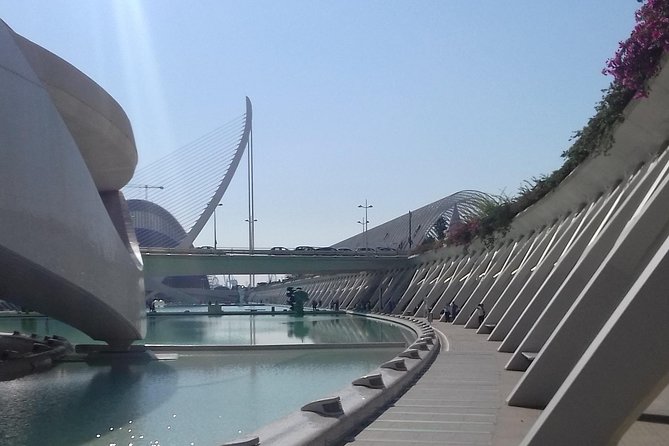
Then you step into Umbracle, the garden area. This is where the tour changes tone. The architecture stays futuristic, but the plants and vegetation connect you to Valencia’s real climate and local tradition.
I like garden stops on walking tours because they reset your eyes. You slow down, you catch shade, and you can see how the complex uses landscaping as part of the experience. Here, it’s not decoration. It’s a way to ground the place.
The guide also ties this garden to regional identity. Even if you’re not a plant person, you’ll come away with a better sense of how this complex tries to be more than a photo set.
Sciences Museum Prince Felipe Corridor: Learn Without Paying Yet
Next is the main corridor of the Sciences Museum Prince Felipe. This part is especially valuable if you’re deciding whether to buy additional entry tickets.
The corridor area gives you a preview of the vibe: touch, learn, and experiment themes in a way you can grasp before committing to an indoor ticket. That’s a practical approach. If you love hands-on science, you’ll probably want to go deeper. If you just want a quick introduction, this may already be enough to satisfy your curiosity.
Why this stop works: it helps you make a better decision later. You stop imagining the museum and you start understanding how it might feel.
Like Hemisferic, the indoor exhibitions themselves require separate tickets, so plan accordingly if you want full entry.
Other ways under the white shells
Agora Building: Where People Events Matter
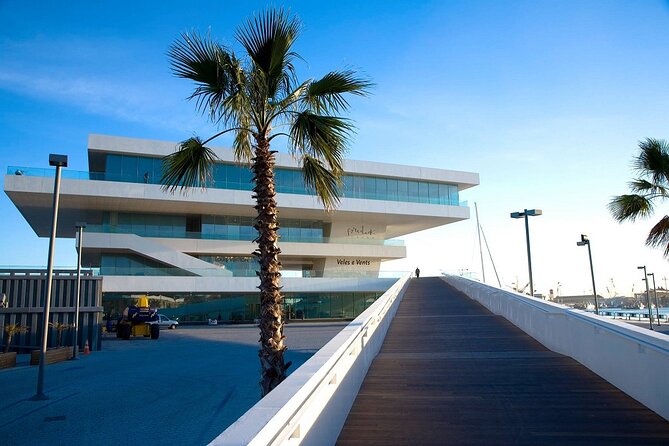
The Agora building is the in-between stop that many people overlook. Here, it becomes more than architecture. You’ll learn what the space is for and why it fits into the complex’s wider role.
I like this part because it makes the complex feel less like a sci-fi backdrop and more like a venue for events and public life. When a guide explains how a place functions socially, it changes how you view the buildings. You stop thinking only about what it looks like and start thinking about what it does.
Also, as you’re walking, the guide’s commentary on outside versus inside design helps you notice details you would otherwise ignore.
Aquarium Oceanogràfic Entrance: The Best First Look
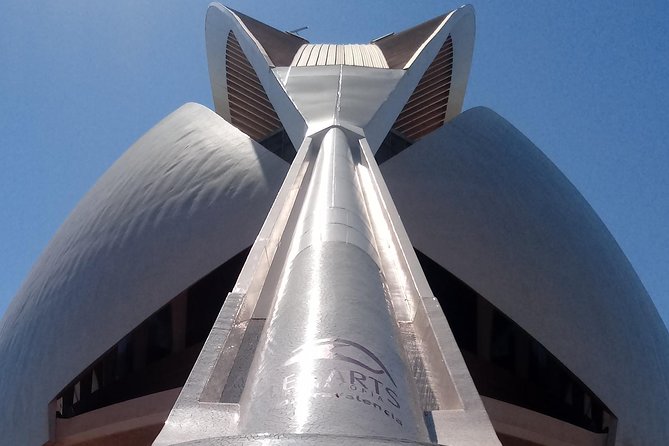
Finally, you reach the main entrance area of Aquarium Oceanogràfic. Even though tickets are not included, the entrance stop is still useful because it sets up what you might want to do next.
If you’re the type who plans your day around one major attraction, seeing the entrance from the outside lets you judge timing and energy. You can also better understand how this aquarium fits into the complex layout, so you’re not starting from zero when you decide whether to go in.
I recommend using the walk-through as a sorting tool:
- If you feel “yes, I want the whole aquarium,” buy tickets after.
- If you prefer a lighter day, you still get the landmark context and a clear stop on your Valencia route.
The Best Parts, Based on Real Guide Energy
This tour’s standout strength is the guide. In particular, I loved how energetic and engaged the tour feel can be when the guide, like Enrique, stays reachable and keeps the information flowing. That makes a difference. City architecture can sound like a lecture if the guide is flat. Here, the tone is active, and the explanations land better.
The tour also adds photos about the complex and includes a small present. Those details help if you like to remember things later, when the buildings are no longer in front of you.
Who Should Book This Tour (And Who Might Skip)
This is a great choice for:
- First-time visitors to the City of Arts and Sciences who want context fast
- Travelers who like architecture and public spaces
- People planning their day and deciding which indoor tickets to add
- Anyone who appreciates a small group and a relaxed pace
It might not be ideal for:
- People who specifically want paid entry into Hemisferic, Sciences Museum, Palau de les Arts, or Aquarium Oceanogràfic
- Anyone who wants a longer indoor-focused visit, since this is primarily an external walking experience
- People who need a fully guided indoor ticket package, because the indoor entries are separate
You also should note the tour is not suitable for people over 95 years, according to the activity rules. If that applies, it’s worth checking other options that match your mobility needs.
Small Practical Tips Before You Go
You don’t need special gear for this one. It’s a leisure walking activity. Still, a few practical pointers will make it smoother:
- Wear comfortable shoes. You’re walking through a large complex.
- Bring sunglasses or a hat if it’s sunny, since you’ll spend time outdoors.
- If you’re considering extra indoor tickets, take notes during the corridor stops so you remember what grabbed you.
And one more tip: if your goal is to decide what to enter, don’t rush. The tour works best when you use the corridors to judge your interest level.
Should You Book This City of Arts and Sciences Tour?
I’d book it if you want a confident first look at Valencia’s most recognizable modern landmark. The $28 price feels fair because you’re paying for interpretation and orientation, not for multiple paid attractions. After this tour, you’ll know what the complex is trying to say, and you’ll be able to choose which ticketed sites match your interests.
I would skip it only if you already planned to do all indoor tickets and you don’t need help understanding the layout. In that case, you might prefer direct ticket access and a self-guided approach.
If you’re on the fence, this is the kind of tour that helps you decide. You start with context, then you choose the deeper experiences that actually fit your day.
More Tour Reviews in Valencia






Under the White Shells: More Options




More Valencia, Booked and Rated
Newest Valencia write-ups


City of Arts and Sciences Guided Tours, side by side.
 ★ 4.7Oceanogràfic Entry TicketFrom $449,893 reviews
 ★ 4.4Oceanogràfic, Hemisfèric & Science Museum ComboFrom $542,959 reviews
 ★ 4.3Principe Felipe Science Museum Entry TicketFrom $111,039 reviews
 ★ 4.1City of Arts and Science 3D Movie at HemisfèricFrom $10455 reviews
 ★ 5.0City of Arts and Sciences Private Segway TourFrom $60196 reviews
 ★ 4.5The City of Arts and Sciences in Valencia96 reviews
 ★ 4.7City of Arts and Sciences Segway TourFrom $5962 reviews
 ★ 5.0Professional photoshoot at City of Arts & SciencesFrom $5854 reviews