REVIEW · VALENCIA
Johnny Madge Olive Oil Tastings
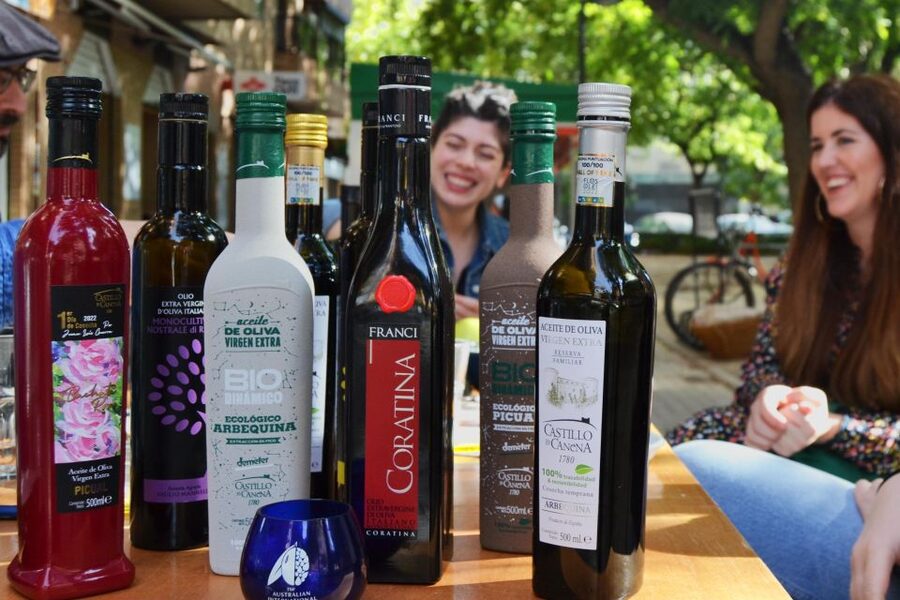
This tasting turns a confusing bottle label into something you can actually taste. Guided by Johnny Madge, an International Olive Oil Competition judge with 20 years of tastings, you learn how judges assess aroma and flavor using competition style cups.
I love how friendly and clear the teaching is, even when the topic gets nerdy. I also like that the oils are chosen by an expert, not by a producer pushing their own stock, so you get a grounded look at what great evoo tastes like. One possible drawback: since it’s a one-hour class, you’ll get the key ideas and practical tasting skills, but not a long, hands-on deep workshop.
Key points to know before you go
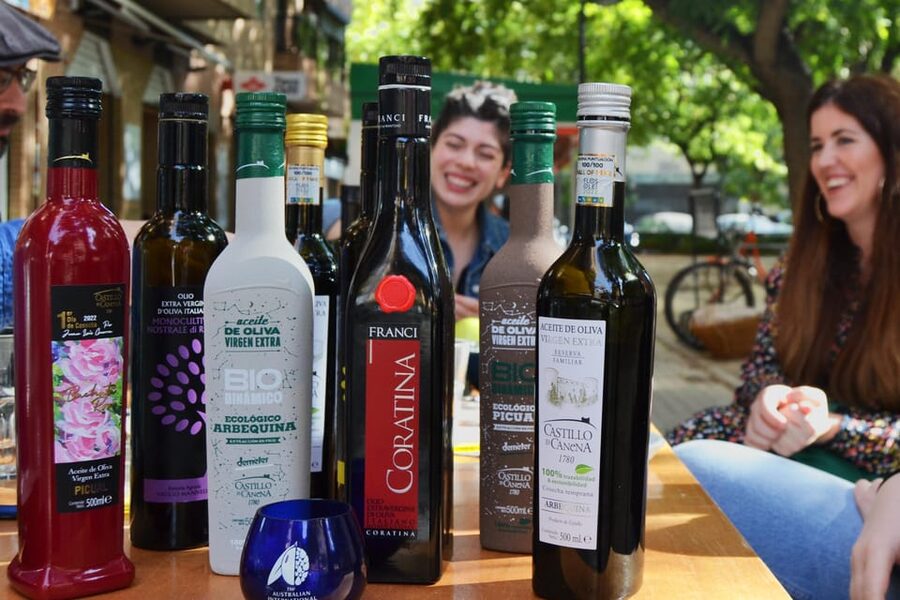
- Competition-style tasting using special biodegradable corn cups, designed for evaluating aroma and taste
- At least 3 world-class oils selected by an experienced judge, not tied to a single producer
- Label clarity around what extra virgin really means, plus why first cold pressed can be confusing
- Real-world Q and A on health, cooking, milling tech, and how to use olive oil with food
- Bread dipping option including sourdough or gluten-free (you choose what fits you)
- La Ola Fresca in Benimaclet makes it feel like a relaxed cafe stop, not a stiff lecture
Why Johnny Madge’s judging background matters
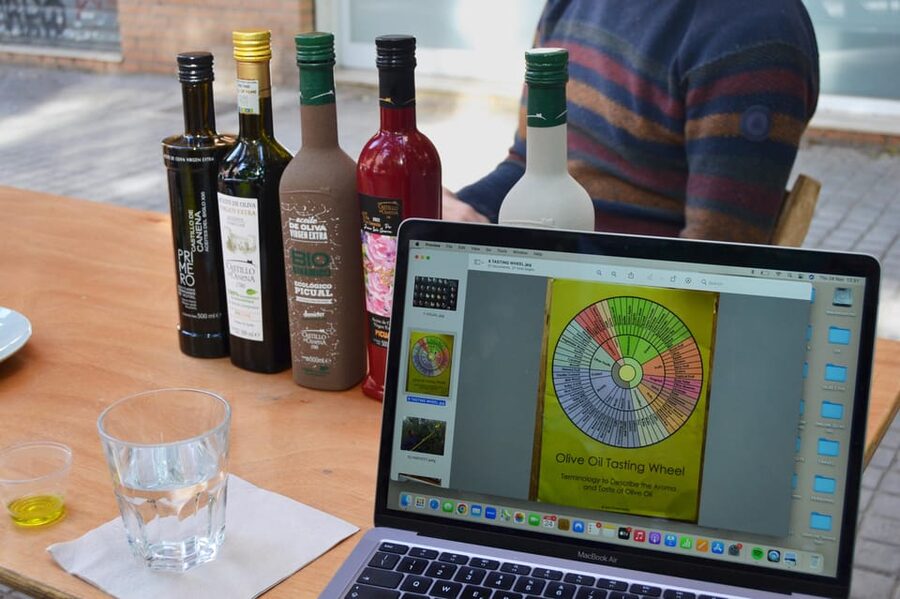
Olive oil tastings can go two ways: either they feel like a wine seminar, or they feel like a sales pitch. This one is built around competition standards, so the focus stays on what matters in real judging, not on marketing language.
Johnny Madge holds International Olive Oil Competition judge credentials and brings a long rhythm of tastings. That background shows in the pace. You smell first, then taste, and he explains what you’re sensing in plain language, so you’re not left translating aromas like a homework assignment.
And the tone is part of the value. You can tell he wants you to feel at ease. The vibe is fun, friendly, and easy to follow, which is rare in food education that usually leans technical.
What happens during the 60-minute tasting session
This is a one-hour experience at a cafe in Benimaclet, Valencia. The structure is simple, which is good. You get a clear sequence without rushing, and you still have time for questions.
Here’s the flow you can expect:
First, you get the big picture of how international tastings work. Johnny explains what extra virgin means and how judges approach tasting, including the confusion around phrases people see on bottles. The goal is to help you stop relying on vague claims and start using your senses.
Then you move into the tasting portion. You smell and taste at least 3 of the best olive oils in the selection. The oils are presented using special cups made from biodegradable corn, which helps keep the tasting focused on aroma and flavor rather than distractions.
After that, you can taste with bread. The cafe offers locally-made bread (often sourdough), and there’s gluten-free bread available too. Dipping is a practical way to learn how olive oil behaves with food, especially if you’ve never tried “tasting like a chef.”
Throughout the class, Johnny also answers questions. If you wonder about health, or whether you can cook with olive oil, or what actually goes on in milling, you can ask. He can also tailor the pace, depending on whether you want a lighter, relaxed session or more nerdy details with photos of oil mills.
More of Valencia worth an afternoon, priced and timed:
- Valencia: Oceanogràfic Entry Ticket
★ 4.7 · 9,893 reviews - Valencia: 24 or 48-Hour Hop-on Hop-off Bus Ticket
★ 3.9 · 5,611 reviews - Valencia: Palosanto Flamenco Show Ticket
★ 4.8 · 3,876 reviews - Valencia: Catamaran Cruise with Sunset Option
★ 4.0 · 3,566 reviews
The real lesson behind extra virgin and first cold pressed
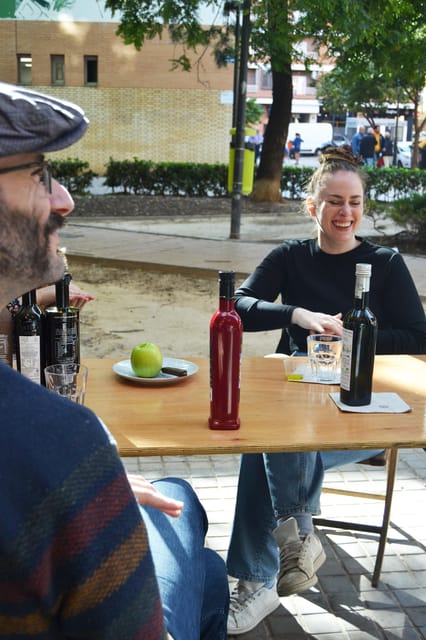
If you’ve ever stared at a label and thought, I’m not sure what this means, you’re exactly who this class is for. Johnny’s explanations are built for people who want clarity, not jargon.
You’ll learn what extra virgin actually signals. The phrase sounds like a quality guarantee, but it’s more specific than most people realize. The lesson helps you understand what makes good evoo taste the way it does, and what types of problems can show up when quality is off.
You’ll also hear why “first cold pressed” can be confusing. Many labels try to sound precise, but the wording isn’t always as straightforward as it looks. The class helps you connect language to reality, so you know what to trust and what to ignore when you’re shopping.
That label clarity matters in Valencia, and it matters anywhere. When you can taste differences, your shopping gets smarter. You stop buying by branding and start buying by flavor and quality.
How competition-style tasting trains your nose
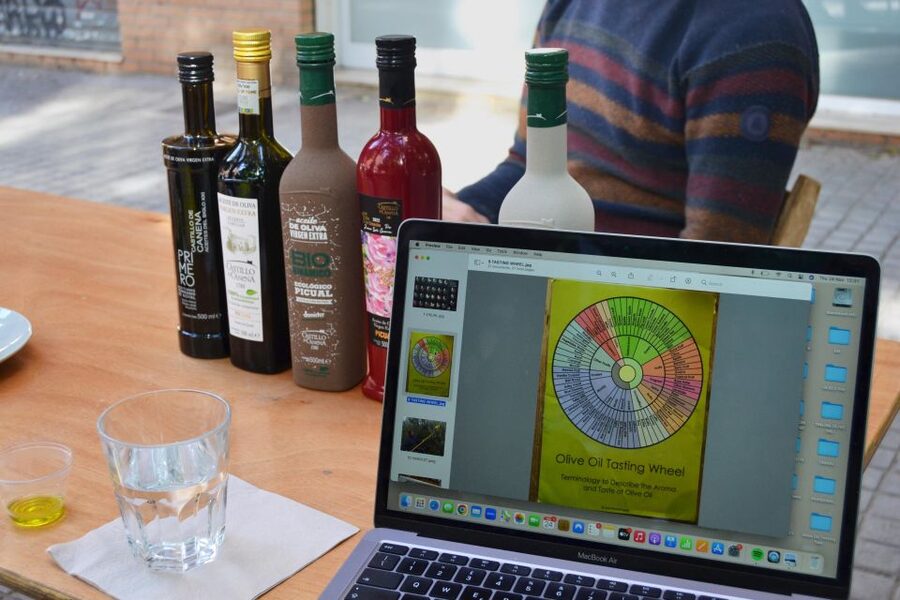
The tasting method is a big reason this is more than a casual sip-and-smile experience. Johnny uses a format based on international judging practice, so you’re learning a repeatable way to assess oil.
The special biodegradable corn cups are part of that. They’re designed to keep the sensory focus on the aromas and the taste, instead of the vessel becoming the star of the show. That means you spend your attention where it counts.
He also explains the technique behind tasting. That includes how to smell olive oil in a way that reveals fruitiness and other notes, then how to taste so you can detect balance and quality markers. If you like structured learning, you’ll appreciate how it all clicks.
And if you don’t want “serious food school,” you still get it. Johnny can give the nerdy details for people who want them, including how mills work and what happens in processing. If you prefer a lighter tasting, he can keep things relaxed and conversational.
Why bread matters, and how to taste with food
One smart thing here is that tasting doesn’t stay in a vacuum. You get the choice to pair the oils with bread, and that changes what you notice.
When you dip bread into olive oil, the oil’s flavor and texture show up differently. You’ll start connecting what you smell in the cup to how you’ll actually experience it at home. It’s a practical bridge from tasting to dinner.
The cafe offers gluten-free bread, and that’s not always included in experiences like this. So if you need gluten-free options, you can still do the tasting the same way, without feeling like you’re missing half the point.
If you’re curious about using olive oil with food, this portion is where the learning becomes actionable. You’ll leave with a clearer sense of what kind of olive oil works well for bread, and likely how you’ll want to treat it when you cook.
Cooking with evoo, health questions, and myth-busting
People come into this class with all kinds of olive oil questions. The good news is Johnny is ready for them, and he can answer in context of tasting, not just internet claims.
You can ask about health. You can also ask about whether olive oil is suitable for cooking. The class is set up so it’s not just about appreciation, it’s about real use in your kitchen.
What I like about this approach is that it respects how people actually think about food. You’re not forced to pretend olive oil is only for salads or only for fancy plates. Johnny covers use with food in a way that helps you make decisions based on taste and purpose.
And the competition angle helps here too. If you learn how quality shows up in aroma and flavor, you’ll become more confident about how to choose oil for cooking versus finishing.


Price and value: what $23 buys you in real terms
At $23 per person for a one-hour class, the price can feel either fair or high, depending on your expectations. Here’s how I’d judge the value.
You get at least 3 oils that are among the best, selected by an experienced expert rather than a producer. That’s a big deal. Many tastings are built around a single company trying to win you over. This format is more about calibrating your palate.
You also get guidance from a real International Olive Oil Competition judge. That’s not just “a guy who likes olive oil.” He’s trained to evaluate quality in a standardized way, and he teaches you the logic behind it.
Finally, you get the time for questions. That Q and A turns the session into a personalized learning moment. If you go in with questions about labels, milling, health, or how to use olive oil, the class can save you from months of guessing and re-buying the wrong bottle.
If you want more than a quick sensory taste and basic skills, a one-hour format will feel short. But for learning what good evoo tastes like and how to choose it, the time is tight in the best way.
Where to meet, what the cafe is like, and practical notes
You’ll meet at La Ola Fresca in Benimaclet. The sign outside is big and easy to see. It’s on a square with trees, and it’s not on a road used by cars, which makes it feel like a calmer pause in the neighborhood.
The experience runs in multiple languages: English, Italian, French, and Spanish. That matters if you want to follow details without translating in your head.
Water is provided. If you want coffee or tea, that’s not included, so plan on paying separately if you add drinks.
It’s also wheelchair accessible, so if mobility is a factor for you, this option should work.
And on timing, the class is one hour. That’s ideal if you’re building a packed Valencia day and still want something food-focused that isn’t a full half-day commitment.
Who should book this olive oil tasting
This is a great fit if you fall into any of these categories:
- You want to understand olive oil labels and stop guessing.
- You love food learning that feels social and relaxed.
- You’re curious about how competitions actually evaluate extra virgin olive oil.
- You want practical guidance on using evoo with food, not just tasting for fun.
It might be less ideal if you’re only looking for a long tour of the broader olive oil world, like farms and processing steps in depth. This experience is focused. You come for the tasting, the technique, and the expert answers in a tight one-hour session.
The takeaway: should you book Johnny Madge’s tasting in Valencia?
If you want a high-quality olive oil education that doesn’t feel stiff, this is worth booking. You’ll get sensory training, clear label explanations, and practical tips for eating and choosing evoo, all in a friendly cafe setting.
I’d especially recommend it if you’ve ever bought olive oil that disappointed you. After learning how good oils smell and taste, lower-end oils start feeling obvious in a way that’s honestly hard to unlearn. You’ll shop with confidence afterward.
So yes, if you have an hour in Valencia and you care about food you’ll actually use, book it.
FAQ
How long is the Johnny Madge Olive Oil Tasting?
The class lasts 1 hour.
How much does it cost?
It costs $23 per person.
Where is the meeting point?
You meet at the cafe La Ola Fresca in Benimaclet, Valencia, with a big visible sign outside.
What languages are offered?
The live guide speaks English, Italian, French, and Spanish.
What’s included in the tasting?
You get a tasting of at least 3 of the world’s best olive oils with explanations of how the competition technique works.
Can I taste the oils with bread?
Yes. If you want to, the cafe offers bread for dipping in the oil.
Do you offer gluten-free bread?
Yes. Gluten-free bread is available as an option.
Is water included?
Yes, water is provided for free.
Can I ask questions during the class?
Yes. Johnny can answer questions about topics like extra virgin olive oil, health, use with food, milling technology, and whether you can cook with olive oil.
Is the experience wheelchair accessible?
Yes, the experience is wheelchair accessible.