
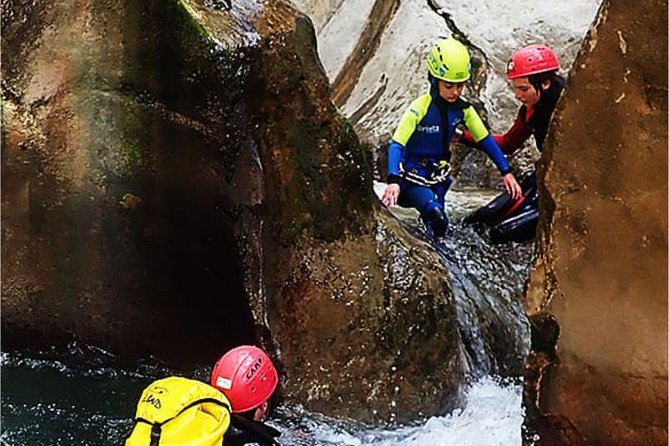
REVIEW · BENIDORM TOURS
Aquatic canyoning near Benidorm. Estret de les Penyes Bollulla
Ropes, jumps, and warm pools in one canyon. Near Benidorm, the Estret de les Penyes ravine lets you practice canyoning with monitors close by, so you can focus on the moves instead of guessing what comes next. It runs between Callosa d’Ensarrià and Bolulla, and the route gradually tightens into a long corridor where the canyon feels made for adventure.
I especially like the dry-to-wet rhythm. The entrance is usually dry because the water filters into its own channel, so you start with controlled rappels before the fun turns into walking and jumping through pool sections. Second, I love the payoff: the descent ends at a waterfall around 20 meters high, the Salt of the Bolulla river, so your final frames actually have a big finish instead of a quick fade-out.
One consideration: this canyoning style is not nonstop water time. The first half can be dry, with plenty of rope work, and the activity also includes jumps and pool sections, so you need to be able to swim and you should not have vertigo.
Key highlights you’ll feel fast
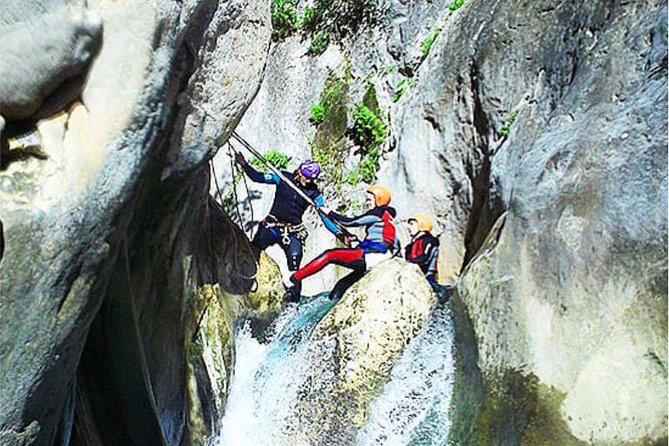
- Small groups (max 15), so the guides can keep an eye on everyone and manage the pace.
- Usually a dry start, since water filters away, then the ravine narrows into a longer, more playful corridor.
- Rappels and jumps with constant support, monitors help you save each jump or rappel during the tour.
- Warm-water pool sections, where you can cool off while still moving forward on route.
- A strong finish at a 20m waterfall at the Salt of the Bolulla river.
- Beginner-friendly guidance, including examples where guides like Omar and José took care of first-timers and kept the mood upbeat.
Where you meet, what time you start, and how the day flows
You’ll start at Restaurante la Cascada Casa Federico, in Alicante (03510). The start time is 10:00 am, and the tour ends back at the same meeting point, so you do not have to plan a separate return.
The total time is about 3 hours, give or take. That matters because canyoning can feel like a “real” workout, and a clear half-day window helps you plan the rest of your day around it. Also, a shorter duration often means less waiting around mid-tour, which keeps the energy up.
You’ll get a mobile ticket, and confirmation comes within 48 hours of booking, depending on availability. The tour is offered in English, which is a practical win if you want the safety instructions and route guidance in your preferred language.
Estret de les Penyes: the canyon section that makes this one memorable
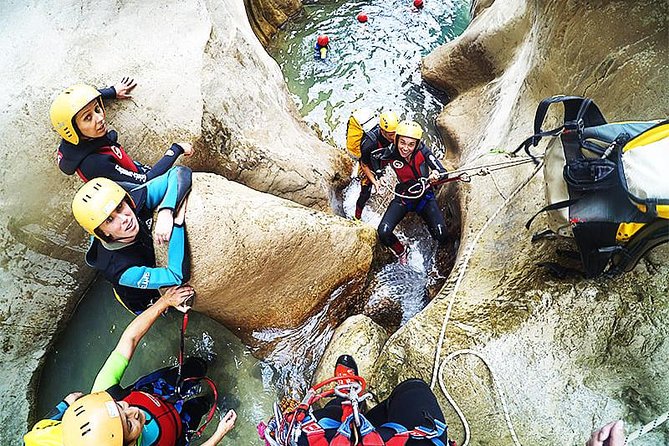
This canyoning trip is built around the Bolulla or Estret de les Penyes ravine, just outside Callosa d’Ensarrià and near Bolulla. What makes it special is how the ravine shape changes as you move down. At the top, it’s often dry at the entrance, so the canyon feels different than the classic picture of constant water and splashy chaos right away.
Then the ravine narrows and becomes a longer corridor. That corridor effect is more than scenery. It influences how you experience the route: you advance through sections where the canyon walls guide you, and the timing between rappels, walking, and jumps feels more like a sequence than a single grind.
Another detail I find important for setting expectations: the route includes warm waters in the corridor sections. Warm water changes the whole vibe. When pools feel pleasant instead of icy, you spend less energy bracing and more time enjoying the progression.
Other days out from Benidorm
- Valencia City Excursion – From Albir, Benidorm & Calpe
★ 4.5 · 146 reviews - Altea Benidorm and Villajoyosa from Valencia
★ 4.5 · 15 reviews - Full Day Tour to Altea, Benidorm & Villajoyosa from Valencia
★ 4.9 · 15 reviews
The usually-dry entrance and your first rappels
The first part often starts with a dry entrance. That happens because the water has filtered earlier into its own channel, so the top zone is quieter and drier. For you, this is a big deal because it gives you a ramp-up period before the canyon gets more physical.
During this phase, you’ll use ropes for descending. Even if you’ve never done canyoning before, this is where guides can teach technique in a controlled way. You’re not just thrown into the deep end. You learn the basics of using rope systems while the canyon is still manageable, and monitors support you while you set up each rappel and move through the tricky moments.
From the practical side, a dry start can feel slightly different than other famous canyon regions where you’re in water constantly. If you came chasing that style of nonstop splashing, go in knowing you may spend more of the early route on ropes and careful steps. To me, that’s not a downside. It’s a smoother learning curve.
The narrow corridor: how warm pools, rope skills, and jumps connect
Once you’re into the narrowing corridor, the experience shifts. You move from dry rope technique into sections with warm-water pools. The canyon becomes a mix of motion and pauses, rappels and short walking stretches, with the occasional jump into a pool section.
You should expect to progress using rope techniques of rappelling, and you should also expect jumps into pools as part of the route. The exact feel depends on your comfort level and the guide’s assessment, but the structure stays consistent: you move through a series of obstacles that are close enough to keep you engaged, not isolated so you can fall behind.
This is the part where strong guidance really matters. Canyoning is not only about bravery. It’s timing, body position, and making calm decisions quickly. The monitors are there to help you save each jump or rappel during the tour, which is exactly the kind of support you want when you’re learning in a real canyon environment.
Also, corridor-style canyons often keep the sound and the light in a way that feels focused. You’re not thinking about the whole world outside. You’re thinking about the next move.
The Salt of the Bolulla river: the 20m waterfall finish
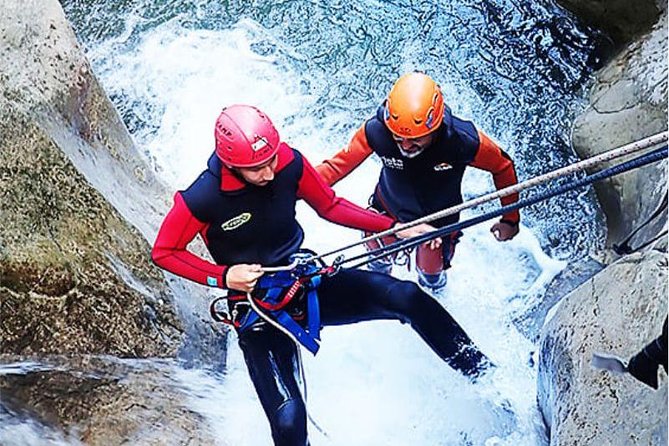
At the end of the route, you reach the Salt of the Bolulla river, described as a waterfall about 20 meters high. This matters because canyon trips sometimes end with a quick landing and a long walk back. Here, you get a clear, dramatic finish.
A 20m waterfall is also a great psychological bookend. Early on, you’re concentrating on technique. By the end, you get to look up and see the canyon’s reward. It gives you that sense of completing a full descent instead of just doing a few drops.
One more practical point: a waterfall finish typically means your last section has a strong visual anchor. It helps you remember the route and makes the day feel like a single coherent story from start to waterfall to back to the meeting point.
Guides and group energy: what makes Omar and José stand out
A big reason this experience rates so highly is the people running it. In real canyoning, safety and vibe are linked. When the guide communicates clearly and stays close during the key moments, you relax, and you move better.
In one case, the group had Omar as a guide, and the focus was very much on care and confidence for beginners. The sense was that he took responsibility for everyone’s comfort, especially when four people were new to canyoning. When you’re first-time nervous, that kind of attention helps you stop overthinking.
Another group had José and his team, and the standout note was the fun tone, with good humor and a positive pace. That’s not just nice. In a canyon, keeping a steady rhythm helps everyone make decisions during ropes, jumps, and pool moments.
With a maximum of 15 travelers, you usually get a group size that allows individual attention. That’s a sweet spot for a hands-on activity like canyoning, where a guide might need to help someone adjust their technique before the next obstacle.

Price and value: what $66.09 buys you in real experience
At $66.09 per person, you’re paying for a guided, structured canyoning experience lasting about 3 hours. For me, value here is not about getting cheap thrill points. It’s about paying for safety coaching and a real route with real obstacles, not just wandering near a river.
This kind of activity tends to include planning, guiding, and active support while you rappel and jump. Those are exactly the moments where a guide’s presence matters most. The price also makes it accessible for a short day near Benidorm, since you’re not committing to a full travel-day program.
You also get a small-group format and English instruction. That combo is part of the value equation. It’s easier to understand what you’re doing when you’re getting instructions in a language you trust, especially for safety steps.
If you’re comparing mentally to bigger adrenaline experiences, this is a more grounded canyon format. You’re doing technique, water moments, and a long corridor descent, not just one big photo drop.
Who this suits best, and who should skip it
This activity says most travelers can participate, but there are clear filters. You should not have vertigo, and you should know how to swim.
That makes sense. Rope descents can involve heights and exposure. Jumps into pools also require basic comfort in water and the ability to recover after landing. Even if you’re a strong swimmer, jumping means you need calm decision-making, not just fitness.
It also helps to match your expectations. This canyon can be different from other popular canyon regions where it’s mostly water. Here, the first half is often dry, so you’ll likely spend more time on ropes early. If you want that constant watery ride, you might feel surprised. If you want a canyoning route that builds skills and then turns into warm pool fun, it fits nicely.
How to prepare so the day feels fun, not stressful
You can’t control the canyon, but you can control your readiness.
First, be honest about your comfort with heights and rope work. Since there is no vertigo rule, your body signals matter. If your stomach flips with heights, don’t try to tough it out.
Second, be comfortable in water and with pool landings. The route includes pool sections and jumping. Even if the water is warm, you still need to know what to do when you land and when you move out again.
Third, lean into the guide rhythm. The monitors support you at all times to help you save each jump or rappel. That means you should listen closely at each step and not rush your setup. Canyoning is not the time to improvise.
What the route feels like in 3 hours
You’ll likely experience the tour as a sequence rather than a single uninterrupted action. Early: the entrance zone is often dry, and rope descending is the main focus. Midway: the ravine narrows into that long corridor, and warm-water pools bring in jumping and a more playful pace.
Late: you finish with the waterfall around 20m high at the Salt of the Bolulla river. Then it’s back to the meeting point.
That structure is part of why first-timers often leave impressed. You’re not just scared for fear’s sake. You’re learning as the canyon changes.
Should you book this Benidorm area canyoning trip?
I think you should book if you want canyoning that’s guided, structured, and beginner-ready in practice. The combination of rope rappels, warm pool sections, and a strong waterfall finish is a solid mix for a 3-hour window near Benidorm. If you enjoy learning technique and trusting monitors during the tricky moves, this kind of route can feel like money well spent.
Skip it if you have vertigo or if swimming comfort is not something you’re confident with. Also be aware that the start is often dry, so if you came for nonstop water immersion from minute one, you may find it different.
If you’re the type who likes clear steps, small groups, and a real canyon descent with a dramatic ending, Estret de les Penyes is the kind of day you’ll remember long after the wet shoes dry out.
FAQ
How long is the canyoning experience?
It lasts about 3 hours.
Where do we meet for the tour?
You meet at Restaurante la Cascada Casa Federico in Alicante (03510). The activity ends back at the same meeting point.
What time does the tour start?
The start time is 10:00 am.
Is the tour offered in English?
Yes, the experience is offered in English.
Do I need to be able to swim?
Yes, you need to know how to swim.
Is this safe if I have vertigo?
No, the tour is not suitable if you have vertigo.
What is the maximum group size?
The activity has a maximum of 15 travelers.
Can I cancel for a full refund?
Yes, you can cancel for a full refund up to 24 hours in advance of the experience start time. Free cancellation applies within that window.
More Tour Reviews in Valencia





Getting Out of Benidorm


Newest Valencia write-ups


Benidorm Tours, side by side.
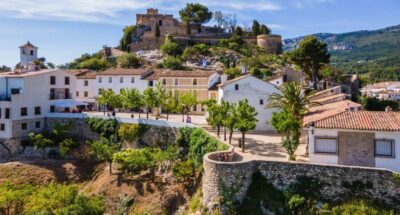 ★ 4.7From Alicante/Benidorm: Guadalest & Algar Waterfalls TourFrom $53912 reviews
 ★ 4.5Benidorm: Terra Natura Theme Park 1-Day TicketsFrom $28788 reviews
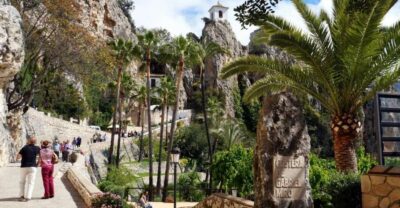 ★ 4.6Guadalest & Algar Falls Tour – From Albir, Benidorm & CalpeFrom $38740 reviews
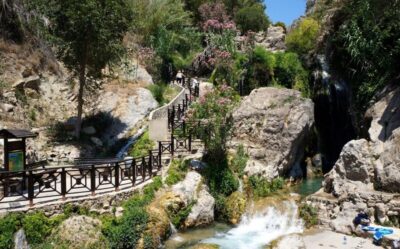 ★ 4.5Algar Waterfalls Coach Trip – From Albir & BenidormFrom $31617 reviews
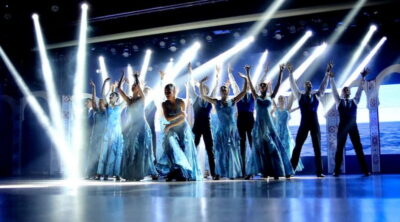 ★ 4.6Benidorm: Show at Benidorm PalaceFrom $41553 reviews
 ★ 4.2Benidorm: Aqua Natura Amusement Park 1-Day Entry TicketFrom $24503 reviews
 ★ 4.8Benidorm: Guided Jeep Trip to Guadalest and Algar FallsFrom $82495 reviews
Benidorm: Buggy Jungle or Algar Waterfalls TourFrom $141372 reviews