
REVIEW · VALENCIAN PAELLA COOKING CLASSES
Any Day is Sunday: Paella Cooking Class with Tapas and Sangria
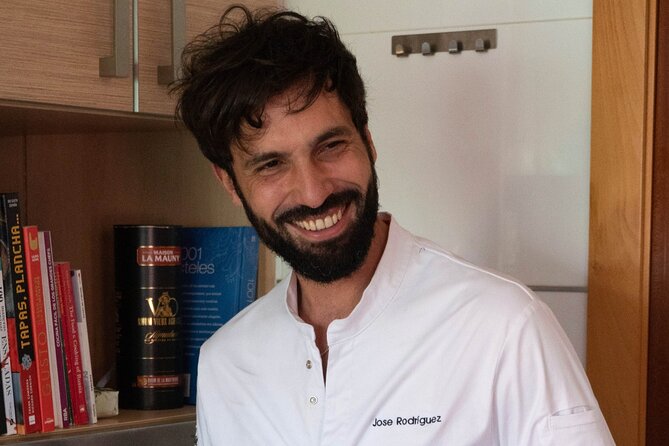
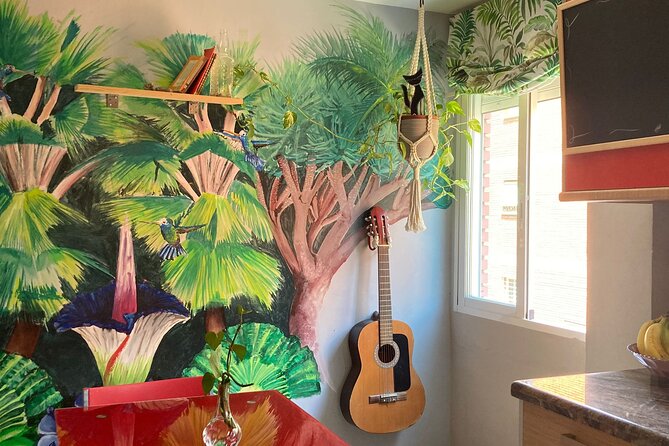
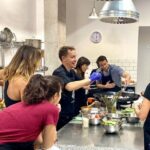
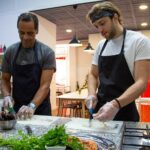
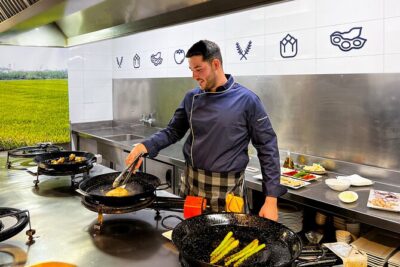
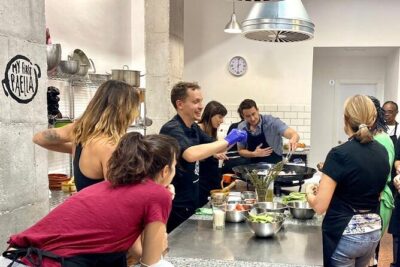
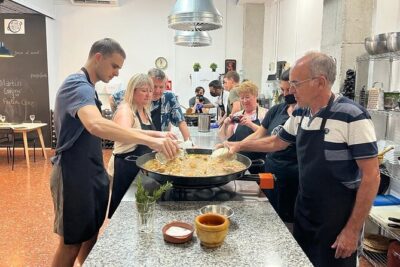
Paella happens at a Valencian home table. With Any Day is Sunday, a 3-hour, English-speaking class for up to 4 people, you cook with Chef José in a true home-kitchen setting, like Sunday lunch. I love the small group setup and the fact that you are learning steps, not just eating. One consideration, this is hands-on, so if you want to sit back the whole time, plan to jump in a bit.
I also like how the menu stays focused on real Valencian favorites: Valencian paella (with choices including seafood or vegetarian), two tapas, sangría, and a sweet orxata mousse with farton. You are not just sampling Spanish food, you are building a full meal the way locals do. The takeaway recipes plus local tips are what make it useful after the last bite.
You meet near Carrer de Guillem de Castro, and the timing is easy to fit into a Valencia day. If you have food restrictions, you’ll need to say so ahead of time. For most people, that trade-off is worth it because you walk out feeling like you can cook the flavors yourself.
Key things I’d bet on
- A max of 4 people, so you get personal help and don’t disappear in the back row
- Hands-on paella instruction, including guidance that helps you understand the rice, not just copy the recipe
- Tapas choices that go beyond the usual chips and dips, like octopus with sweet paprika or toasts with iberian ham and grated tomato
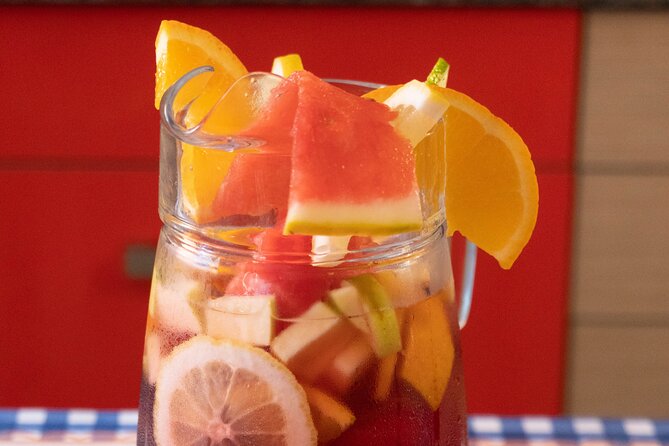
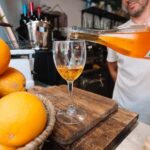
- Sangría built with orange and lemon, served alongside your tapas and paella
- Orxata mousse with farton, a local-style sweet finish that feels like Sunday dessert
- Take-home recipes and local recommendations, so your kitchen plans go beyond a single dish
A Sunday-Style Table in Valencia, Led by Chef José
This class is built around the idea that Sunday in Valencia is social, slow, and food-centered. You start at 11:00 am, then spend about 3 hours with one goal: make a meal you can actually recreate.
Chef José runs the experience with a teacher’s rhythm and a home host’s warmth. The small size matters, because questions are easy and the pace stays comfortable. You do not feel like you are being processed through a factory-like demo.
And because it is in English, you get the practical parts clearly: what you are doing, why you are doing it, and what changes the final result. The best part is that you leave knowing how to improve your own paella, not just how to follow steps.
Meeting Point, Mobile Ticket, and What You Should Tell Them
You start at Carrer de Guillem de Castro, 46003 València. Your full address is listed on your confirmation voucher, and the ticket is mobile, so keep your phone handy.
The class is near public transportation, which is a relief in Valencia, where walking is easy but trams and buses can save time. If you are visiting in the morning, plan a relaxed start, because you want to arrive unhurried and ready to cook.
Before you go, check food restrictions. The provider asks you to communicate allergy or special diet needs ahead of time, which matters when you are dealing with seafood options, pork in Iberian ham, and dairy in tapas like cream cheese.
Other kitchens, same rice
- Paella Cooking Class, Wine Tasting & Central Market in Valencia
★ 5.0 · 1,150 reviews - Valencian paella cooking class, tapas and visit to Ruzafa market.
★ 5.0 · 828 reviews - Valencia: Paella Cooking Class with Central Market Tour
★ 5.0 · 721 reviews - Valencia: Catamaran Cruise, Paella Lunch and Swim Stop
★ 4.0 · 445 reviews
Sangría and Tapas: The Flavor Warm-Up Before the Stove
Before paella, you build momentum with sangría and tapas. That ordering is smart, because it makes the whole meal feel like a proper Valencian get-together, not a single dish performance.
The sangría starter is made with wine and seasonal fruit, plus oranges and lemons. In other words, it is not just sweet juice. You get a bright citrus note early, which pairs well with both seafood and ham-based tapas.
Then come two tapas you can choose from. The menu options are where this class gets fun, because they are distinct and teach you something about textures and flavor balance:
- Octopus with potato and sweet paprika: tender, hearty, and clearly Spanish, not touristy
- Crispy toasts with Iberian ham and grated tomato: salty cured meat plus fresh tomato acidity
- Corn toast with smoked sardine, cream cheese, and aromatic herbs: smoky fish, creamy bite, herb lift
- Another tapa option appears again in the list, including the ham and grated tomato toast, so you can compare textures
Even if you do not think you care about tapas, you will. Tapas are the training wheels of Spanish flavor. They show you how Valencia likes sweet, salty, citrus, smoke, and acidity all in one meal.
Paella Valenciana at Home: What Makes It Different (and Learnable)
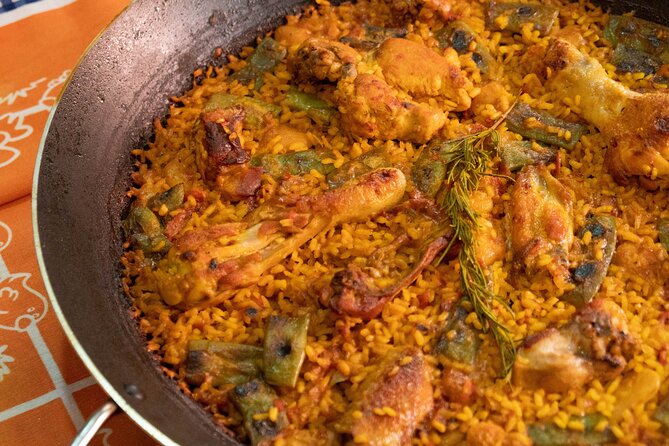
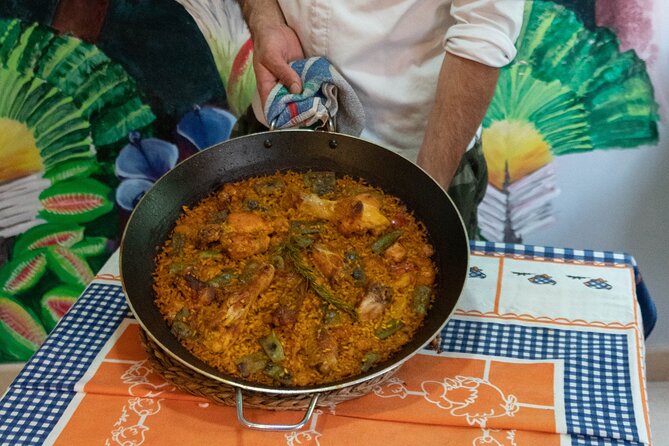
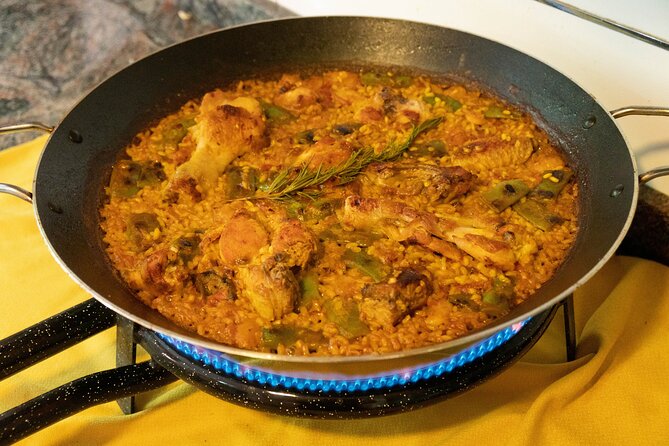
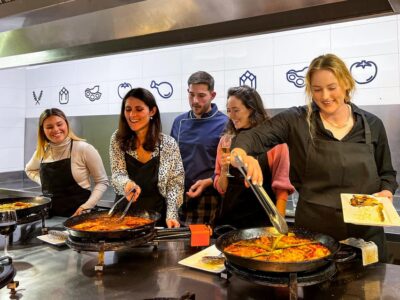
Paella is the star, but the real value here is how you learn it. You cook Paella Valenciana and you’ll have options available too, including seafood paella or vegetarian paella, so the class works for more diets than you might expect.
While it cooks, the host shares the history of rice in Valencia. That storytelling matters more than it sounds, because it gives you context for what you are aiming for in the pan. Rice in Valencia is not an afterthought, it is the center of the identity.
You also learn the practical side of paella, which shows up in multiple ways in the feedback. People consistently mention clear steps, pacing, and technique. That is exactly what you want if paella has ever been intimidating at home.
If you want a simple mental checklist, focus on these ideas:
- The rice is the main event, so everything else supports it
- The order of prep affects how the pan works later
- You should understand the process well enough to troubleshoot, not just memorize a recipe
Some classes also reflect a typical Valencian approach in the paella itself, where chicken and rabbit have shown up in at least one instance. The important part for you is that the paella you make is Valencian style, and the host guides you through the steps that make it come out right.
Also, since the group is max 4, you are not stuck waiting for someone to explain the pan for 20 minutes. You can work at your speed, and that changes how much you retain.
Orxata Mousse and Farton: The Sweet Close You Will Remember
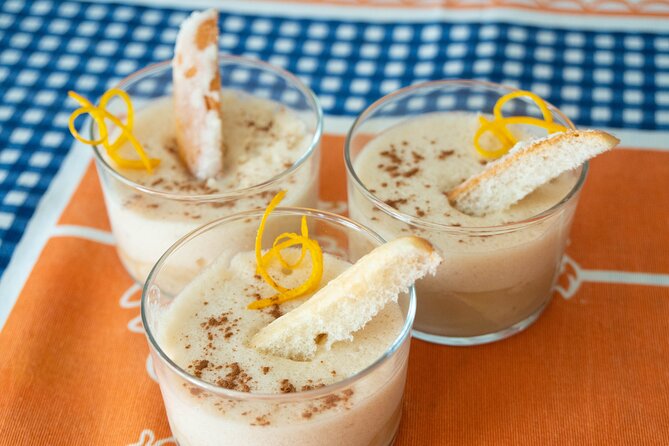
Dessert is orxata mousse, paired with farton. Orxata is Valencia’s famous horchata style drink, and here it turns into a creamy, sweet mousse you finish after the savory meal.
A farton is a soft, slightly sweet brioche-like pastry that is made to go with orxata. It is the kind of detail that makes the dessert feel like part of a local routine, not just a plated ending.
This is a great final course because it resets your palate. After paella and tapas, your tongue has salt, smoke, citrus, and richness layered on it. Orxata flavor is cooling and gently sweet, so you feel satisfied without being stuffed in a heavy way.
What “Small Group” Really Means for Your Learning
This class caps at 4 travelers, and that is not a throwaway detail. It changes your whole experience because you get time in the kitchen, time for questions, and time to understand technique.
People describe it like a private lesson, which matches the reality of cooking instruction. When there are fewer cooks, you can hear what the host is correcting in real time, and you can ask follow-up questions without feeling like you are slowing things down.
You also get to decide how involved you want to be. The structure still centers on hands-on cooking, but the whole point is that you are not just watching from across the room. If you are the type who learns by doing, this is a strong match.
And because it ends with eating what you cook, the class has built-in payoff. You are not leaving with a half-finished lesson and a lecture that disappears after the market closes.
Hungry again? More plates around Valencia
Recipes to Take Home, Local Tips, and Why That Matters
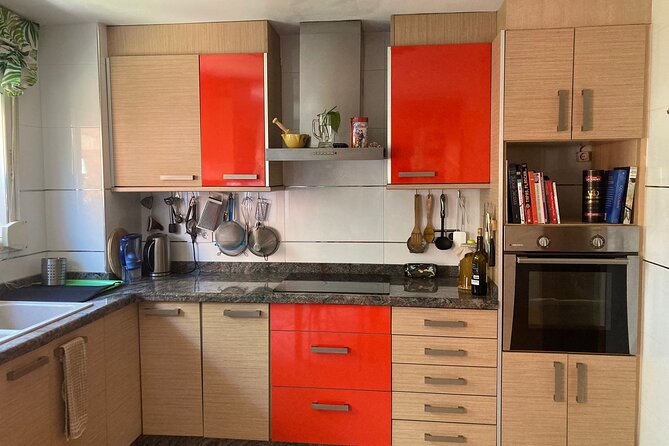
You get recipes to take home. That seems basic until you try to cook Valencian-style paella from memory and realize how many tiny choices matter.
With the recipe in hand, you can recreate the menu beyond the first attempt. You will also have local tips and recommendations, which can help you keep tasting Valencia in the days after class, not only during the cooking session.
This is one reason the experience feels different from the big group cooking shows. It is not only about the moment. It is about leaving with tools.
If you plan to cook again soon, take the recipes seriously. Read them after your class, when the smell and steps are still fresh. If you wait weeks, you’ll forget which part was the tricky one.
Timing and How to Fit It Into a Valencia Day
Starting at 11:00 am is a sweet spot. It is late enough that you can still enjoy a morning walk or coffee, and early enough that you will not feel like your whole day evaporated.
After a 3-hour meal, you will likely want a slower afternoon. Plan a relaxed stroll, a museum visit, or just time to digest. You’ll have a full meal in you, so you may not feel like doing the snack-and-scan routine that day tours can create.
The meeting point is in a central area, so getting there is straightforward. One helpful note from prior experiences is that it can be close to the Torres de Serranos area, so you can pair this with sight time nearby if you want a balanced day.
Who This Class Is Best For
This is a strong pick if you want:
- A hands-on cooking experience where technique matters
- Real Valencian dishes, not a generic paella and sangria checklist
- A small group with enough attention from the chef to actually learn
It is also a good choice if you are traveling with family members or a friend group that likes food and conversation. The format is relaxed and social, and you are eating together in a home-kitchen setting.
If you are not into cooking at all, this may feel like more work than you planned. You might still enjoy the meal, but the value is tied to learning steps and participating.
If you have dietary restrictions, do not wait until the last minute. Send your needs ahead of time so the host can plan menus and ingredients appropriately.
Should You Book Any Day is Sunday in Valencia?
Yes, if you want a memorable Valencia experience that teaches you something you can use again. The combination of small group cooking, a structured paella process, and a full meal that includes tapas, sangria, and orxata mousse is a great value package in terms of time and payoff.
Book it especially if paella is on your list and you care about doing it the right way. Chef José’s approach focuses on technique and on understanding rice and flavors, which is exactly what you need when you go home and try again.
Skip it if you want a mostly sightseeing-driven day or you prefer to watch cooking rather than participate. This experience is designed for people who enjoy being in the kitchen, even if it is only a few steps at a time.
If you are on the fence, I’d treat it like a “food anchor” day. You will eat well, learn the why behind the dish, and leave with recipes you can actually pull off the shelf later.
More Tour Reviews in Valencia




Valencia by the Plate
More Pans, More Rice
Newest Valencia write-ups


Valencian Paella Cooking Classes, side by side.
 ★ 5.0Paella Cooking Class, Wine Tasting & Central Market in ValenciaFrom $841,150 reviews
 ★ 5.0Valencian paella cooking class, tapas and visit to Ruzafa market.From $78828 reviews
 ★ 5.0Paella Cooking Class with Central Market TourFrom $82721 reviews
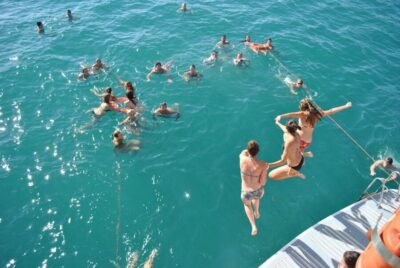 ★ 4.0Catamaran Cruise, Paella Lunch and Swim StopFrom $41445 reviews
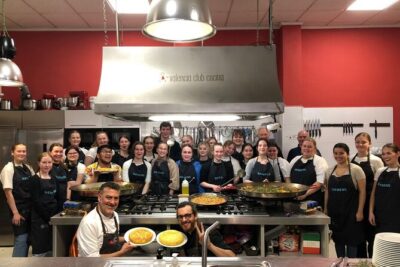 ★ 5.0Valencian paella workshop and visit to the Algiros marketFrom $82338 reviews
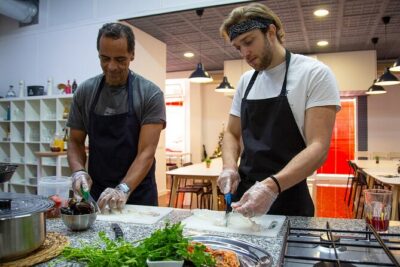 ★ 5.0Seafood paella cooking class, tapas and visit to Ruzafa market.From $78328 reviews
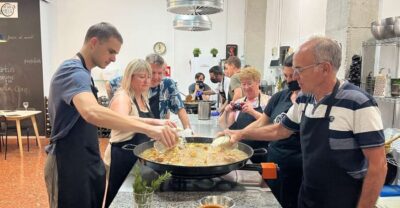 ★ 4.9Evening Guided Paella Workshop, Tapas, and DrinksFrom $77326 reviews
 ★ 5.0Valencian Paella Cooking Class, Tapas & Sangria – EveningFrom $78303 reviews