
REVIEW · WORKSHOPS
1 week intensive Spanish course + conversation workshop
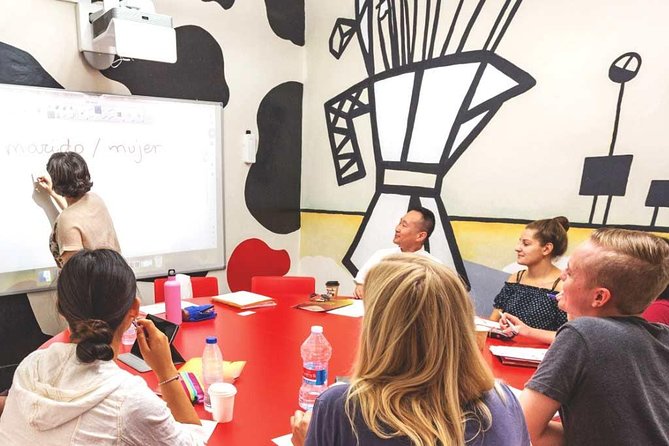
Fast Spanish practice in sunny Valencia. This 1 week intensive course at Taronja Spanish School builds momentum fast, and the 1 hour conversation workshop each day helps you speak sooner, not later. Two things I really like are the way classes push you to use Spanish right away and the school’s active program that keeps you meeting people.
One consideration: this is an intensive schedule with long lesson blocks plus evening activities. If you want a slow, low-effort language vacation, you might find it a bit much.
Taronja Quick Take: What You Should Know First

I like that the school does a real level test (written and oral) before you start, and you can be reassigned if needed. I also like the international mix and small groups most of the time, so you get time to talk.
The drawback is simple: it is not a “sit back and listen” course. You will talk, you will speak up, and sometimes you learn best when the day is already busy.
Key Highlights Worth Your Attention
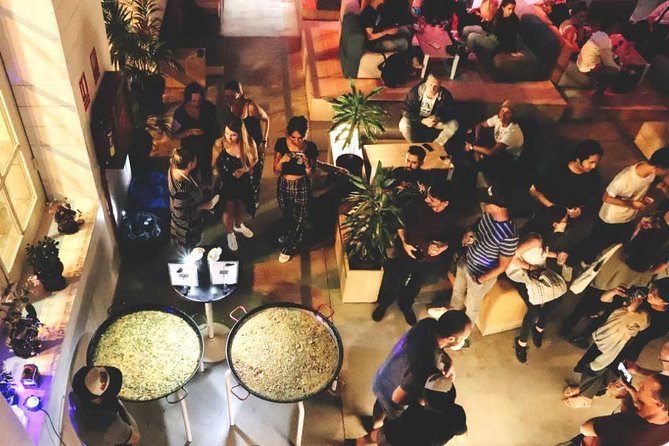
- Daily conversation hour (1 hour per day) designed to reduce speaking hesitation
- Small groups in practice, officially up to 10, often around 5 to 6
- Placement by level test with written and oral components via phone or video
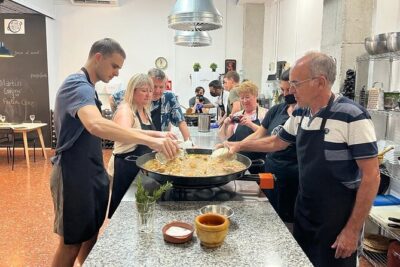
- Evening activities such as paella, cooking classes, paseo type meetups, and more
- Trips and cultural events organized by the school team, with weekend options
Where Taronja Is in Valencia, and Why the Location Matters
Taronja Spanish School is in Ciutat Vella, Valencia’s old town, at Carrèr de Garcilaso, 15, B. The meeting point is right at the school, and the activity ends back there, so you are not juggling transfer times across town. It is also close to public transportation, which matters because the course runs long days and you will likely move between class, activities, and whatever you want to do after.
The setting feels built for language learning, not just classroom time. One review mentioned a terrace, which is a big deal for breaks. You get a place to reset between sessions without disappearing into your phone every time. And because the school is set up for a social language environment, you are more likely to hear Spanish around you as you wait, talk, or plan the evening.
Another practical note: this is a private tour or activity, meaning only your group participates. In real life, that often translates into a smoother experience if your group forms quickly and you stay engaged.
Other things you can make here
- Paella Cooking Class, Wine Tasting & Central Market in Valencia
★ 5.0 · 1,150 reviews - Valencian paella cooking class, tapas and visit to Ruzafa market.
★ 5.0 · 828 reviews - Valencia: Paella Cooking Class with Central Market Tour
★ 5.0 · 721 reviews - Valencian paella workshop and visit to the Algiros market
★ 5.0 · 338 reviews
Getting Placed Fast: The Level Test and How Your Class Starts
The school begins with a level test before you jump into class. The placement test includes written and oral parts, and it can be done via mobile phone video or by telephone call during registration. That sounds small, but it is actually one of the smartest things for an intensive course. When you start near the right level, you waste less time “catching up” on day one and you start practicing sooner.
On the first day, there is a course setup meeting where you learn how the school organizes things. There is also a welcome meeting every Monday for new students, which is useful if your start date lands on a Monday. In that meeting, you meet people like Stefano, the organizer of the trips, and Andrés, the head of teachers. If you have questions about activities or how to make the most of your week, having real contacts at the school helps.
You are assigned to a level, and if it turns out you need an adjustment, you can switch levels. That flexibility is important for anyone who is between levels, or who has studied some basics but never had to speak.
Small groups are common. The school’s stated max is up to 10 people, but reviews describe that the group is often around 5 to 6. That difference is huge. With fewer people, your speaking time increases and classroom discussion does not feel like watching from the sidelines.
The Daily Schedule: Long Lessons, Plus a Conversation Hour

Here is the core rhythm you should plan around. Lessons run daily in two main blocks. Mornings are 9:00 AM to 12:45. Afternoons run 2:30 PM to 6:15. Then you add the conversation workshop time, which is included as part of the first week: typically 1 hour per day (described as 1:30 to 2:30 in one account).
This structure is a classic intensive approach: you get grammar and core language in the morning, then a long afternoon block that gives you more chances to practice. The conversation workshop sits in the middle of the day, so you are not waiting until the end to speak. That timing helps if you tend to freeze when you get tired, because you are using Spanish while your brain is still fresh.
A key detail from reviews: teachers use mostly Spanish, and the classes are designed to keep you talking. That can feel intimidating on day one if you are brand new, but it also explains the “I improved quickly” comments. When you hear Spanish repeatedly and you are nudged to answer, you start building reflexes, not just memorizing rules.
Also, the mood matters. Multiple reviews describe teachers as engaging and upbeat, and they focus on making shy students feel comfortable enough to speak. Names that came up include Paula, Miguel, Micaela, Néstor, Nerea, Pablo, Salva, and Laura. One review singled out Miguel Ángel for the way he helps people feel at ease and encourages speaking. That combination, friendly teachers plus structured speaking practice, is often what makes an intensive course feel like it flies by.
The Real Star: What the Conversation Workshop Actually Does
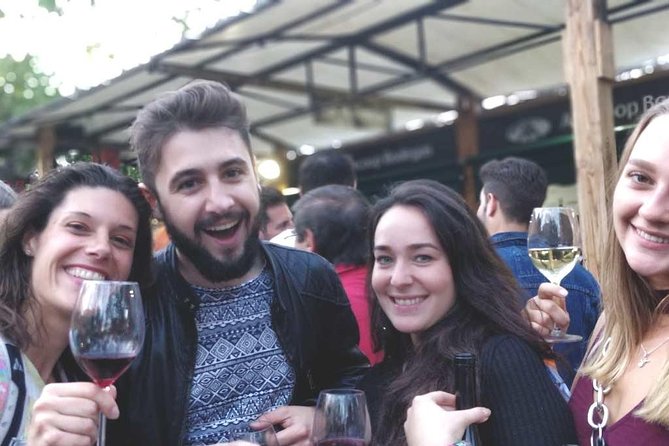
A conversation workshop can be fluffy in some schools. Here, it is part of the course design, not a bonus side event. Since it is 1 hour per day, you get repeat exposure to the same goal: speak in real situations, not only in class exercises.
What you should expect is a steady push to overcome uncertainty when speaking. One review described moving past hesitation at higher levels (B2), which tells me the workshop is not only for beginners. If you already know Spanish but struggle to use it confidently, a daily conversation format is exactly what you need.
You will also likely learn practical, more casual vocabulary. Reviews mention learning colloquial language and discussing lots of topics, not just textbook stuff. That matters because “knowing Spanish” is not the same as using Spanish to order food, chat with strangers, and handle normal travel moments.
One more practical advantage: conversation hours create momentum for the rest of your day. After you practice speaking in a workshop, your next classroom block and your evening plans feel less intimidating. Even if your grammar is not perfect, you are training your mouth to move.
After Class: The Evening Activities That Turn Lessons Into Social Life
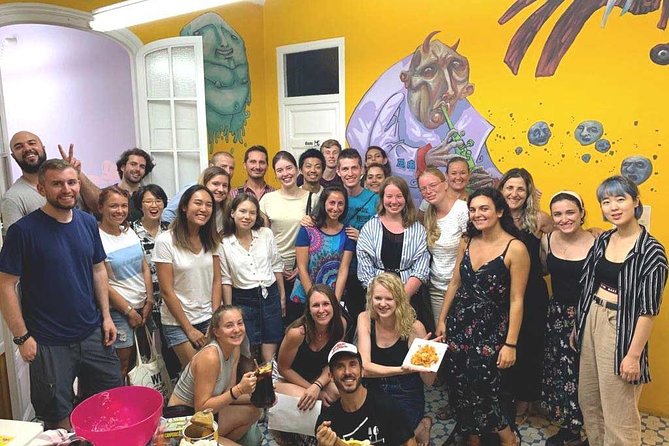
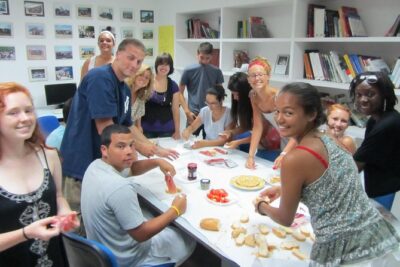
This course is not just scheduled classroom time. After lessons, there is an activities program built around meeting other students and using Spanish outside class. Reviews mention daily activities in the evenings where you exchange ideas with other students and teachers, often with Spanish used heavily during those events.
Some of the specific activities mentioned include:
- paella-related activities (including paella events)
- paseo style meetups, basically group walking and chatting
- cantame club (a singing or group music style activity)
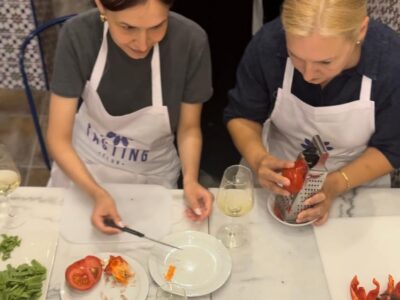
- cooking classes
There are also mentions of “rice and sake events.” Even if those sound like a fun surprise rather than formal lessons, the effect is the same. You show up, you talk, you ask questions, you listen, and you practice in low-stakes situations.
This is also where Valencia becomes part of your Spanish practice. The school’s stated idea is to discover the city of Valencia, not just sit inside a school building. Weekend excursions are mentioned too, which gives you a longer chance to use Spanish in the real world instead of only in class.
If you are the type who gets language practice only when you are forced, this is the right setup. The activities make it harder to hide, and they help you build friendships quickly across languages.
A few more Valencia bookings in the same direction


Valencia as Your Classroom: What You Can Do With All That Spanish
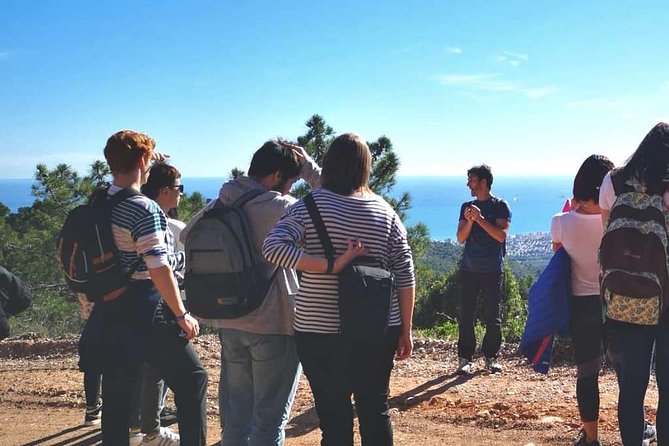
You are in Valencia, and that is a big part of the value. Even when your schedule is full, you can turn daily life into practice: short walks, quick conversations, asking for things in Spanish, and showing up to group events where Spanish is the default.
Ciutat Vella is ideal for that. You can move around without needing complicated logistics, and you can likely fit in extra time outdoors between school blocks. The school itself gives you a plan, but you still get freedom to explore.
And because you are surrounded by an international group, you will hear different learning styles and different ways people use Spanish. That helps your brain because you stop thinking of Spanish as a single “right” way to speak. Instead, you see it as something you can practice in your own imperfect way and improve over the week.
One thing I would keep in mind: because the program includes evening activities, your best plan is to keep energy for nights. If you try to do major independent sightseeing every single evening, you might end up tired and not using your new Spanish when you could.
Group Mix and Teaching Style: The Small Details That Drive Results
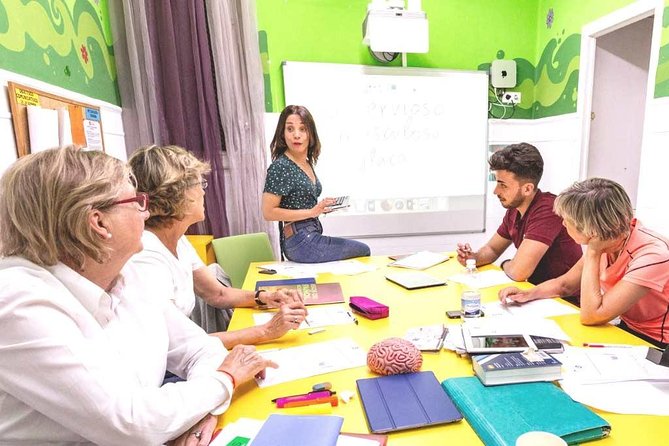
If you care about results, you should care about class dynamics. Here are the social and teaching elements that show up repeatedly in the reviews.
First, the international group mix. Ages mentioned range from about 18 to 70, with younger students sometimes staying longer. That variety can be a strength because conversations cover more than just travel basics. You get different topics, different questions, and different reasons people are learning Spanish.
Second, teachers are described as organized but engaging. One review thanked teachers for transmitting kindness, keeping lessons organized while still fun. Another review emphasized that teachers help even students who feel uncomfortable interacting.
Third, the school has directors available for support if you need something. If you are traveling solo, that matters. You know there is a human contact point if logistics or confidence wobble.
Finally, the welcome process helps. Meeting Stefano and Andrés at the start of your time creates a clearer path to activities and questions. For an intensive course, that reduces stress because you do not have to guess how things work.
Cost and Value: How $307.05 Fits With Real Expenses
The listed price is $307.05 per person, for the 1 week intensive Spanish course plus the conversation workshop (1 hour per day), and you also get a welcome bag and material class, plus a level test. That is a meaningful bundle for an intensive language week because it covers the core learning components and the built-in speaking practice.
Two costs are specifically not included:
- a 45€ enrolment fee
- accommodation
So your real all-in budget will depend on lodging. But even with that, this package has good value if you want a guided week. You are not only paying for “time in class.” You are paying for the structure that keeps you speaking daily, plus activities that create real chances to use what you learn.
Also, because groups are often small, your attention from teachers likely increases. A course that pushes speaking but does it with bigger group sizes usually feels less effective. Here, the frequent 5 to 6 person reality helps justify the price.
For planning, factor in that long lesson blocks mean you might not want to add big distractions between sessions. Think of it like a sprint, not a casual walk.
Who Should Book This Course, and Who Might Struggle With It
This intensive program is a great match if you want:
- fast progress, especially speaking confidence
- a daily reason to practice Spanish, not just weekly practice
- an international group environment where talking happens naturally
- an activities program that makes Valencia feel like part of learning
It is also a good option if you are not brand new. Reviews include descriptions at advanced levels (B2), where the course helped overcome uncertainty and expand colloquial language.
Who might struggle:
- If you want a slow vacation pace. The schedule runs long, and evening activities are part of the experience.
- If you strongly prefer quiet independent travel. This is social by design.
- If you cannot handle mostly Spanish in and around class. Teachers use lots of Spanish, and that can be challenging at first.
But if you can handle energy and you like meeting people, this course fits well.
Should You Book Taronja’s 1-Week Intensive With Conversation?
I think you should book it if your goal is speaking progress in a short timeframe and you want Valencia to be more than scenery. The daily conversation hour, the emphasis on speaking comfort, and the school-driven activities program are the reasons this experience works.
You should probably skip or choose a lighter option if you hate structured days or you need lots of downtime every evening. This course does not run like a casual class. It runs like a language week meant to change how you use Spanish.
If you can accept that, you will likely leave with more than vocabulary. You’ll leave with the habit of speaking.
FAQ
Where is the meeting point for this Spanish course?
The course meets at Taronja – Spanish School, Carrèr de Garcilaso, 15, B, Ciutat Vella, 46003 València, Valencia, Spain.
How long is the course?
It is described as approximately 5 days.
What is included in the price?
Included items are a 1 week conversation workshop (1 hour per day), a welcome bag, class materials, and a level test.
What is not included?
The 45€ enrolment fee is not included, and accommodation is not included.
What are the class hours during the day?
Classes are described as 9:00 AM to 12:45 and 2:30 PM to 6:15, with the conversation workshop included as 1 hour per day (described as 1:30 to 2:30).
Do you do a level test before starting?
Yes. There is a placement test with written and oral parts, done via mobile phone video or telephone call.
How large are the groups?
The course is officially up to 10 people, but one description says it is often around 5 to 6.
Are there activities outside class?
Yes. There is an activities program after class hours, and weekend excursions are also mentioned. Activities mentioned include paella, paseo, cantame club, and cooking-related classes.
Is this a private experience or shared with others?
It is described as a private tour or activity, with only your group participating.
What if I need to cancel?
Free cancellation is available if you cancel up to 24 hours in advance for a full refund. Cut-off times are based on local experience time.
More 7-Day Experiences in Valencia


More Things You Can Make Here





More Tour Reviews in Valencia





Newest Valencia write-ups


Workshops, side by side.
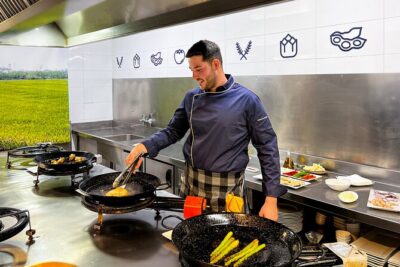 ★ 5.0Paella Cooking Class, Wine Tasting & Central Market in ValenciaFrom $841,150 reviews
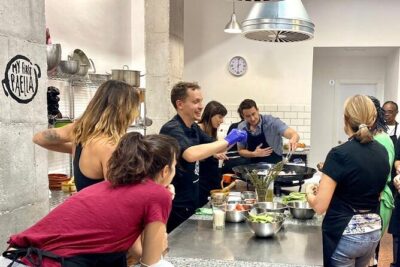 ★ 5.0Valencian paella cooking class, tapas and visit to Ruzafa market.From $78828 reviews
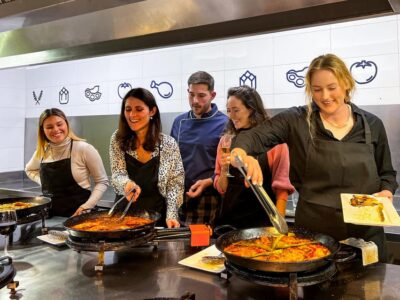 ★ 5.0Paella Cooking Class with Central Market TourFrom $82721 reviews
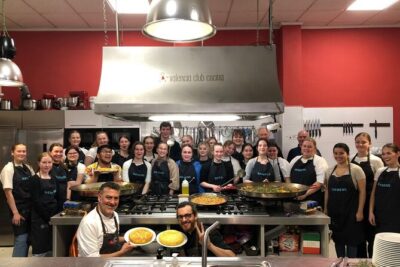 ★ 5.0Valencian paella workshop and visit to the Algiros marketFrom $82338 reviews
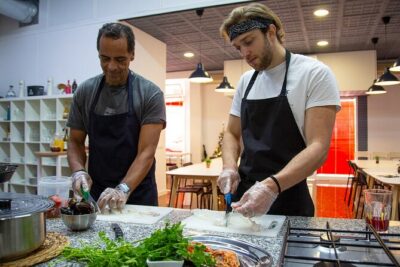 ★ 5.0Seafood paella cooking class, tapas and visit to Ruzafa market.From $78328 reviews
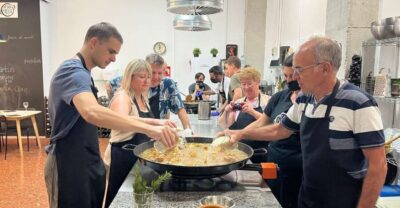 ★ 4.9Evening Guided Paella Workshop, Tapas, and DrinksFrom $77326 reviews
 ★ 5.0Valencian Paella Cooking Class, Tapas & Sangria – EveningFrom $78303 reviews
 ★ 4.9Alicante Paella Cooking Class, Tapas, Drinks and MarketFrom $58301 reviews
Filed in